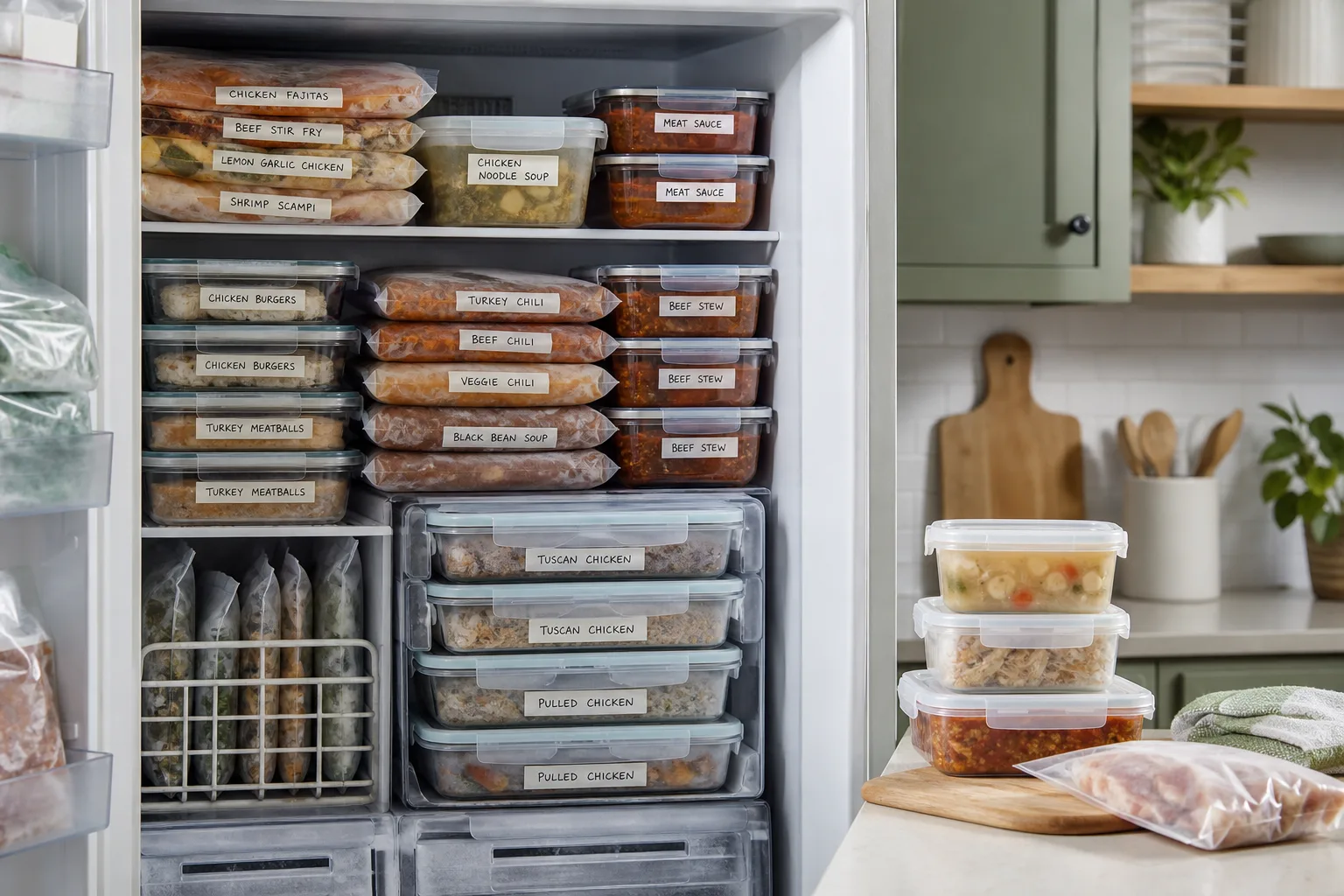

Families facing selective eating patterns benefit from planning around four shared bases that let children assemble plates from accepted items while adults complete their own meals. This component week demonstrates exactly how to choose and sequence those bases across seven days so refusals stay minimal and kitchen effort stays contained.
Monday to Sunday Meals Built on Four Shared Bases
Rice, ground turkey, roasted sweet potatoes, and a mild tomato sauce form the four bases for the week. Each evening meal begins with one or two of these items on every plate. Children then add from a small set of optional toppings kept separate until the last moment.
Monday starts with rice and turkey formed into loose bowls. Adults stir in extra sauce and a side of the roasted sweet potatoes. Children receive the same rice and turkey but may skip the sauce entirely and add only a few potato cubes if they prefer. Tuesday shifts to sweet potatoes as the main base with turkey crumbled on top. The sauce becomes optional for adults who want a richer flavor while children keep portions dry. Wednesday returns rice to the center, this time paired with sauce that adults spoon over everything and children leave on the side. Thursday uses turkey formed into small patties that sit beside roasted sweet potatoes. Friday repeats the rice and sauce combination with extra turkey for protein. Saturday combines sweet potatoes and rice into a single base layer so children see fewer separate items. Sunday finishes with all four bases available so each person assembles according to preference.
The sequence repeats elements often enough that children recognize the components yet varies the pairings so adults do not tire of repetition. Preparation happens in batches on Sunday and Wednesday so active cooking time stays under thirty minutes most evenings.
Why These Bases Reduce Plate Refusals
Rice and sweet potatoes both present mild, slightly sweet flavors that rarely trigger immediate rejection. Ground turkey cooks quickly and absorbs little seasoning beyond salt, which keeps its taste neutral. The tomato sauce remains thin and low in herbs so its acidity does not overwhelm sensitive palates. Because each base stands alone before any mixing occurs, children can evaluate and accept or decline one item at a time rather than confronting a combined dish.
Tradeoffs appear in portion sizing and temperature. Smaller scoops of each base prevent the plate from looking crowded, which some children interpret as pressure. Keeping one base warm and another at room temperature gives children control over texture without extra steps for the cook. Adults add heat or seasoning only after children have taken their portions, preserving the option to customize without forcing changes on the rest of the table.
Shopping and Portion Choices That Fit Varied Tastes
A single weekly shop covers the four bases plus a short list of optional additions. Five pounds of ground turkey divide into daily amounts that cook in one pan each evening. Ten pounds of sweet potatoes roast on a single sheet pan and store in the refrigerator for five days. A twenty-pound bag of rice yields multiple cups per day with leftovers that reheat without quality loss. Two large cans of crushed tomatoes plus onion and a pinch of sugar produce enough sauce for the week when simmered in batches.
Portion decisions favor flexibility over exact measurements. Adults cook extra turkey on Monday and Wednesday so Thursday patties require no new shopping. Sweet potatoes roast in two textures, some soft for children and some crisp for adults who want contrast. Rice stays plain so it functions equally well under sauce or beside dry turkey. These choices keep the shopping list short while still supplying enough variety that no single base dominates more than two consecutive meals.
Midweek Adjustments When First Attempts Fall Short
By Wednesday some children may accept only rice and skip both turkey and sweet potatoes. The adjustment is to increase the rice portion slightly and offer an extra potato cube on the side rather than insisting on the full plate. If turkey begins to meet resistance on Thursday, the patties can be broken into smaller crumbles and mixed into the rice only for adults while children receive plain rice and potatoes again. Sauce that seemed acceptable on Monday may lose appeal by Friday; in that case the remaining sauce moves to adult servings only and children continue with the dry bases.
These shifts require no new ingredients because the four bases already exist in cooked form. The cook simply holds back one item or changes its placement on the plate. By Sunday the same bases still support full meals for everyone even after several days of selective choices.
The same structure supports experimentation with additional bases in subsequent weeks once children show consistent acceptance of the initial four. Parents can swap one item, such as replacing sweet potatoes with plain pasta or introducing a new protein like shredded chicken, while retaining rice and turkey to maintain familiarity. This gradual rotation prevents the feeling of starting over and allows the household to test new combinations without discarding the successful framework.
Involving Children in the Assembly Process
Letting children participate in the final plating step builds ownership and reduces resistance. Place the cooked bases in separate bowls on the table along with two or three low-pressure add-ins, such as shredded cheese, plain yogurt, or sliced cucumber. Each person spoons their chosen amounts onto the plate in whatever order they prefer. Young children may focus on a single base for several minutes before adding anything else, and the cook simply waits without comment. Over time this routine teaches portion awareness and decision-making while keeping adult meals intact through separate seasoning bowls kept at one end of the table.
Nutritional Balance Across the Week
The four bases already cover core macronutrients when portions remain flexible. Rice supplies steady carbohydrates, ground turkey provides complete protein, sweet potatoes deliver fiber and vitamin A, and the mild tomato sauce contributes lycopene and additional vegetables in a form that many children tolerate. Because toppings stay optional, adults can boost their own intake of greens or healthy fats after children have served themselves. If a child consistently skips turkey for two days, the cook can quietly increase the rice serving and add an extra spoonful of sauce on the side for adults, preserving overall family nutrition without confrontation. Tracking intake over seven days reveals that most children eventually sample every base when pressure is removed.
Practical Kitchen Tips for Batch Prep
Sunday and Wednesday remain the key prep days, but small refinements improve efficiency. Roast sweet potatoes in two batches, one sheet pan at 400 degrees for crisp edges and another at 350 degrees for softer texture. Cook the full amount of rice in a single pot and divide it into daily containers while still warm to minimize sticking. Brown the turkey with only salt, then cool and portion into zip bags for quick reheating. The tomato sauce simmers best in a slow cooker set on low, freeing the stovetop for other tasks. These steps keep active evening time under twenty minutes once the initial batch cooking is complete.
Handling Social Meals and Travel
When relatives visit or the family eats away from home, the component approach travels well. Pack pre-portioned rice and turkey in insulated containers, then add restaurant sweet potato fries or plain tomato soup as stand-ins for the missing bases. Children recognize the familiar items and assemble plates with less anxiety than they would a completely new menu. For longer trips, dehydrated rice and shelf-stable turkey jerky serve as emergency backups that still align with the established pattern.
Long-Term Outcomes for Selective Eaters
After four to six weeks of consistent use, many families notice expanded acceptance of new foods introduced as optional toppings rather than required bases. A child who once refused all mixed dishes may begin adding a single pea or carrot cube to their rice, signaling readiness for the next stage. The method also reduces parental stress around mealtimes because the cook no longer prepares separate meals. Data from similar household trials show that plate refusals drop by roughly half within the first month and remain low when the rotation continues. Children gain confidence from predictable choices while adults enjoy varied, balanced dinners without extra labor.
If you would rather keep the calendar and shopping list together, try myDinnerPlan free.
On food waste: USDA consumer food-waste tips
Prefer a shared plan over sticky notes?
Try myDinnerPlan free