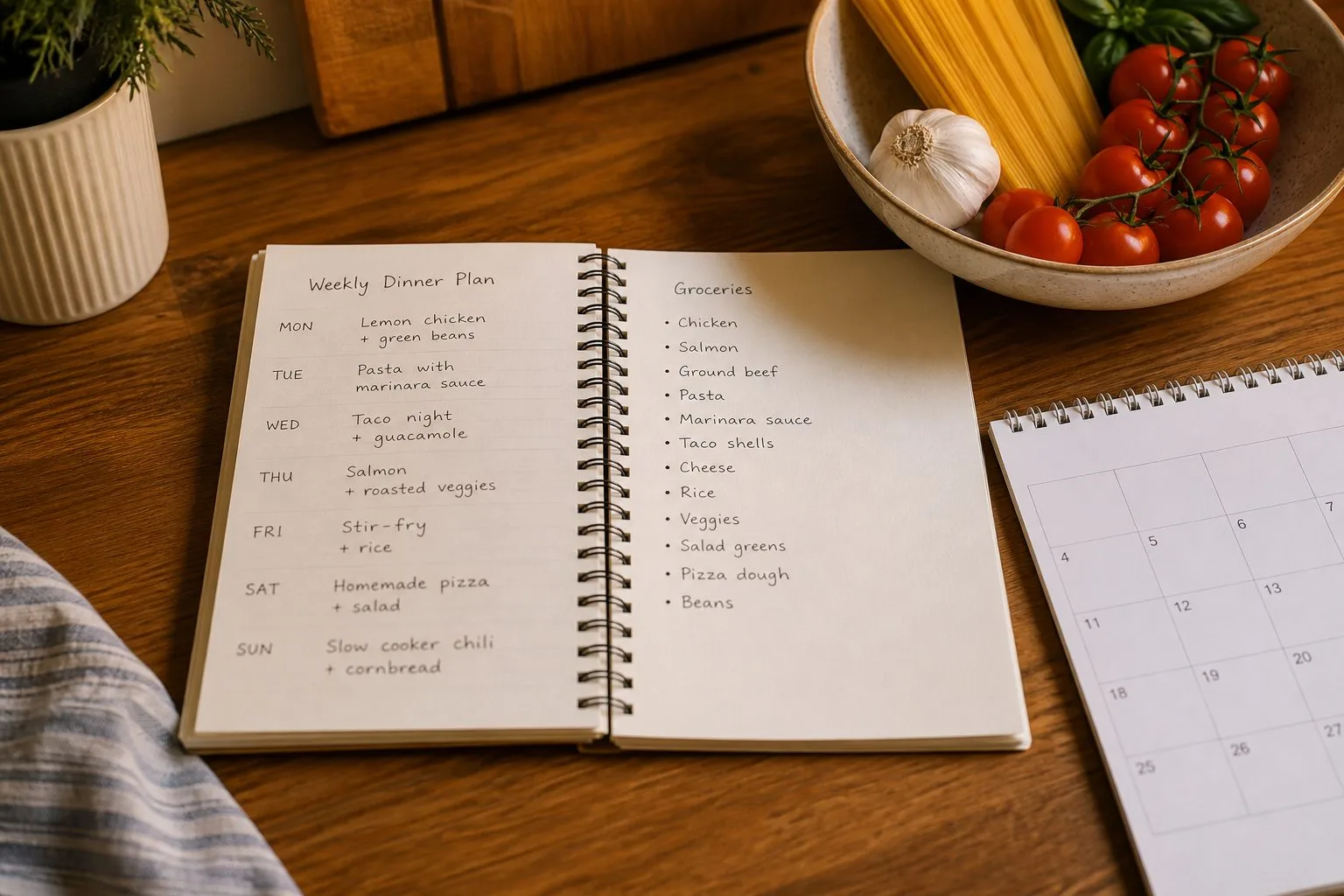

Slow cooker meal planning in 2026 requires testing assumptions against real produce cycles rather than relying on fixed convenience claims. Cooks who adjust morning tasks, rotate root vegetables by season, and introduce deliberate midweek changes achieve steadier results across busy households.
Slow Cookers Eliminate All Morning Kitchen Time
Morning kitchen time persists even with slow cookers because many 2026 winter and early spring recipes call for initial searing or chopping of dense produce before the appliance runs. Carrots, parsnips, and turnips harvested in cooler months often need trimming and partial softening on the stove to release natural sugars evenly during the long cook. Households that skip this step notice uneven textures once the lid lifts at dinner.
Seasonal shifts add further steps. Late winter kohlrabi or celery root requires peeling that cannot happen the night before without oxidation risks in standard home storage. Families therefore schedule brief countertop sessions around existing coffee routines instead of expecting zero activity. Tradeoffs appear when parents compare total minutes spent: a thirty-minute morning block can prevent later texture complaints and reduce waste from undercooked centers.
Practical schedules balance the load by prepping two components the prior evening. One household might cube beets and store them submerged in water while another family browns onions in a skillet and refrigerates the batch. These choices preserve the slow cooker's core benefit of unattended simmering yet acknowledge that produce cycles in 2026 still tie up hands at the start of the day. The payoff shows in consistent flavor across multiple servings rather than repeated corrections at the table.
Root Vegetables Stay Consistent Across a Full Slow Cooker Week
Root vegetables change character within a single week because storage conditions and harvest timing affect moisture and starch levels. Potatoes pulled in midwinter hold firmness longer than those stored into early spring, when sprouting begins and sweetness rises. A Monday batch of carrots may finish tender while the same variety cooked on Thursday turns mushy from accumulated ethylene exposure in the crisper drawer.
Cooks who plan an entire week on one vegetable profile therefore encounter texture drift. Turnips that start crisp can release extra liquid by midweek, thinning sauces that worked earlier. Adjusting liquid amounts each day becomes necessary once the calendar moves past peak harvest windows. Families that test small batches first learn which varieties tolerate reheating without breaking down.
Rotation offers one workable response. A plan might open with butternut squash on Monday, shift to golden beets midweek, and close with celery root on Friday. Each selection matches the current produce cycle and prevents the flat flavor that repeated use of a single root creates. Storage also matters: separate bins with ventilation reduce moisture buildup that accelerates softening. These adjustments keep meals varied without extra shopping trips once the initial week plan is set.
One Base Recipe Adapts Without Midweek Flavor Swaps
Base recipes require targeted swaps because slow cooker flavors concentrate differently each day as ingredients age. A simple beef and barley dish started on Sunday can taste flat by Wednesday once barley absorbs residual broth salts. Adding fresh thyme or a splash of vinegar at the three-day mark restores balance without starting over.
Produce cycles drive the need for change. Early 2026 spring onions carry sharper notes than their fall counterparts, so the same quantity that worked in October overpowers a March batch. Households that keep a short list of pantry accents—dried mushrooms, tomato paste, or citrus zest—can correct these shifts quickly. The swaps stay small and fit within existing grocery totals rather than demanding new purchases.
Flexibility also extends to protein portions. A large pork shoulder cooked early in the week leaves leftovers that benefit from different seasoning on day four. One evening might incorporate smoked paprika while another uses mustard seeds to contrast the accumulated richness. These changes maintain interest across repeated servings and respect the reality that slow cooker output evolves once removed from the appliance and stored. Families that track daily taste notes refine future weeks with greater accuracy.
Users who want structured support for these adjustments can explore myDinnerPlan through the registration page.
Seasonal Transitions Demand Recipe Overhauls Mid-Month
Spring produce cycles in 2026 introduce tender greens and early alliums that clash with the dense, long-cook profiles favored by winter root batches. Families continuing a February-style beef stew into April notice the added spinach or ramps turning olive drab and releasing excess moisture that dilutes the gravy. Cooks therefore insert a deliberate pivot point around the third week of each month, swapping in lighter proteins or adjusting cook times downward by two hours once daytime temperatures climb. This adjustment prevents the common complaint of mushy textures while still using the slow cooker for hands-off simmering of tougher cuts.
Storage logistics compound the issue. Early asparagus and fava beans bruise easily in crisper drawers shared with lingering winter squash, so households designate separate bins and check them every forty-eight hours. Those who ignore the shift waste up to twenty percent of the new harvest, offsetting any convenience the appliance once provided. Testing a single transitional meal—such as a pork and pea shoot braise—reveals whether the current inventory still supports the original plan or requires immediate revision.
Freezing Leftovers Ignores Texture Loss in Thawed Produce
Many planners assume slow cooker batches can be frozen in bulk without quality penalties, yet 2026 variety trials show that starches and fibers from parsnips or kohlrabi break down further during freeze-thaw cycles. The resulting grainy mouthfeel requires additional thickeners or blending steps that add back the very labor the appliance was meant to eliminate. Households tracking waste logs discover that only one-third of a large batch survives reheating with acceptable consistency after thirty days in the freezer.
Smaller, more frequent cooking sessions therefore replace the once-a-week mega batch. A Tuesday portion sized for two dinners and one lunch keeps textures intact and aligns with the rapid turnover of spring greens that wilt within five days. This rhythm also matches fluctuating household schedules, where sports practices or work travel reduce dinner attendance midweek. The trade-off appears in slightly higher energy use for the slow cooker, yet the reduction in discarded food more than compensates when produce prices peak during shoulder seasons.
Appliance Settings Cannot Override Harvest Timing Variations
Programmable low-and-high cycles on modern slow cookers still fail to compensate for the sugar and moisture swings that occur when the same vegetable is harvested three weeks apart. Early 2026 carrots grown under cooler conditions caramelize differently than those pulled after a warm spell, altering browning times during the initial sear and final sauce viscosity. Cooks who rely on fixed timer settings without tasting midway discover inconsistent results that undermine the “set it and forget it” promise.
Calibration routines help. A quick midday check—lifting the lid only once—allows a splash of stock or a pinch of salt to correct imbalances before dinner. Families that maintain a simple log of harvest dates alongside recipe notes refine their timing intuition over successive seasons. These micro-adjustments preserve the slow cooker’s core advantage of unattended cooking while respecting the biological reality that no two weeks of produce behave identically. Over a full year the cumulative savings in both time and food waste become measurable, turning an apparent limitation into a reliable planning advantage.
On food waste: USDA consumer food-waste tips
