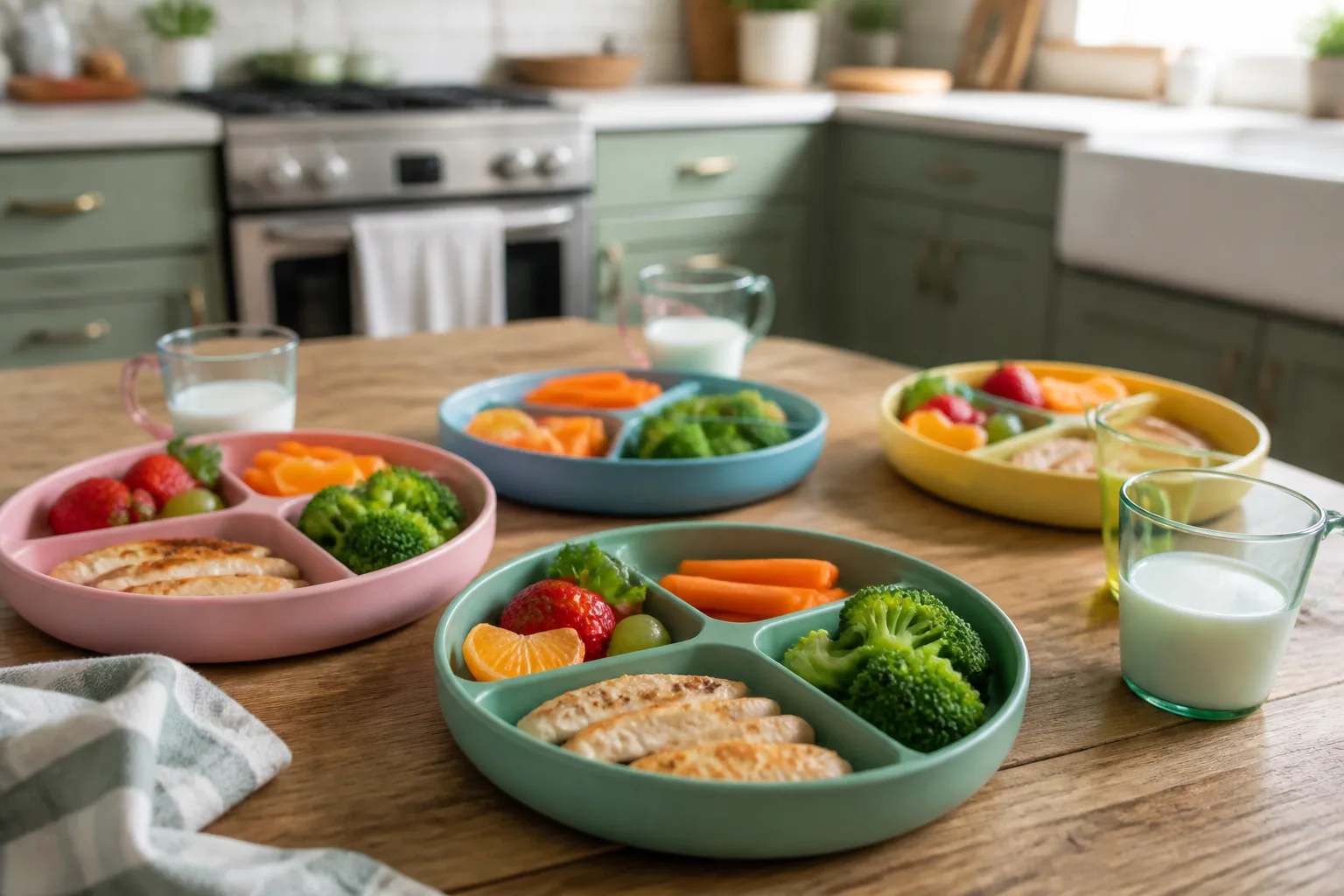

Four recurring planning errors often extend weeknight meal preparation past thirty minutes despite access to fresh seasonal ingredients. Correcting these patterns through adjusted routines shortens active cooking time while maintaining variety across the week.
Skipping Seasonal Harvest Windows That Hide Faster Prep Options
Local harvest calendars reveal windows when certain vegetables require minimal trimming or peeling. Asparagus spears in early spring cook through in eight minutes after a quick rinse, yet planners who default to stored root vegetables from the prior season spend extra minutes scrubbing and slicing dense flesh.
Tomato varieties at peak summer ripen to a point where a five-minute broil replaces longer simmering sauces. Families that overlook these cycles end up substituting canned or greenhouse items that demand additional seasoning steps to reach comparable flavor.
Tradeoffs appear in flavor intensity versus speed. Peak-season corn kernels slip from the cob in under two minutes per ear and need no added liquid during a skillet finish, while off-season ears require boiling or steaming that extends total time.
Gardeners and market shoppers who note expected arrival dates for quick-cook items such as snap peas or baby spinach adjust their weekly lists in advance. This habit reduces last-minute substitutions that introduce extra chopping or monitoring.
Recipes built around these windows also limit equipment changes. A sheet-pan arrangement of thin green beans and cherry tomatoes finishes without stirring once the oven reaches temperature, whereas denser winter produce often needs rotation or separate pans.
Locking in Fixed Themes Before Checking 30-Minute Recipe Filters
Weekly themes provide structure yet frequently lock selections before filters confirm cook times. A planned pasta night may default to recipes that include homemade dough or long-simmered ragu when shorter skillet versions exist in the same library.
Filters that isolate entries under thirty minutes surface alternatives such as one-pan lemon chicken with quick-cooking greens. Households that skip this step repeat longer preparations across multiple days and accumulate extra active minutes.
Concrete examples illustrate the difference. A taco theme without time filters might pull a recipe calling for dried bean soaking overnight, while filtered results highlight ground meat skillets finished with fresh salsa that assemble in twenty-two minutes.
Tradeoffs involve reduced repetition versus lost novelty. Rigid themes can still work when paired with time checks that swap slow components for seasonal stand-ins like zucchini ribbons in place of longer-cooking fillings.
Reviewing the library first also surfaces shared community entries that already incorporate local availability notes. These entries often include prep timelines that account for real-world chopping speeds rather than idealized conditions.
Ignoring Pantry-First Quick Picks That Reduce Active Cook Time
Pantry contents frequently contain items that complete a meal without additional shopping once a base protein or grain is chosen. Canned chickpeas warmed with seasonal herbs and a drizzle of oil create a twenty-minute plate when planners scan shelves before opening a shopping list.
Households that begin with an empty slate overlook these combinations and add unnecessary market trips that introduce travel and unpacking time. Quick-pick routines start with inventory review of dried pasta, rice, or lentils that pair with whatever produce arrived that week.
Tradeoffs center on variety versus consistency. Repeated use of the same pantry anchors can feel monotonous, yet rotation among three or four base items keeps options open while cutting decision steps.
Seasonal produce then serves as accent rather than foundation. A handful of fresh berries stirred into yogurt with toasted oats finishes faster than recipes that treat fruit as a cooked component requiring separate timing.
Library entries tagged for pantry compatibility further streamline choices by listing only the fresh additions needed. This approach avoids the accumulation of half-used ingredients that later demand separate meals.
Failing to Cross-Check Import Sources Against Local Availability Cycles
Imported recipes from national sites often assume year-round access to ingredients that appear only briefly in regional markets. A Mediterranean grain bowl calling for fresh figs works quickly when the fruit is local yet stretches into extra sourcing steps when planners rely on shipped substitutes that require additional washing or trimming.
Cross-checking against local calendars prevents these mismatches. A recipe imported from a coastal source might list delicate lettuces available for three weeks in northern climates, prompting an early switch to sturdier greens that still cook or dress in under ten minutes.
Tradeoffs include some loss of exact flavor matches against gains in speed and reduced waste. Substitutions such as using early apples in place of pears maintain texture when the original item is absent from shelves.
Bulk import tools that accept CSV or structured files allow planners to tag entries with local season notes after the first use. This tagging builds a personal reference that shortens future reviews.
Community-shared entries within public libraries sometimes carry contributor comments on regional timing that national sources omit. Reviewing those notes before finalizing a week prevents the addition of steps that arise only after ingredients arrive.
Users who want structured support for these adjustments can review options at /register.
Putting the Corrections into Practice
Households that adopt a single weekly review slot—often Sunday evening—can apply every filter in sequence without extending total planning beyond fifteen minutes. The process begins with a harvest calendar check, moves to time-filtered recipe pulls, then scans pantry staples, and ends with import substitution notes. Each step builds on the last so that the final shopping list already reflects only quick-cook, locally timed items. Over a month the cumulative savings reach several hours that would otherwise have been spent at the stove or in extra market runs.
Seasonal awareness also encourages smaller, more frequent produce purchases rather than one large weekly haul. Because peak vegetables require less handling, the same volume of food moves through the kitchen faster even when the number of trips increases slightly. Families report that the reduced waste from buying only what will be used within three days offsets any added travel time. In practice the net effect remains a clear reduction in active minutes once the initial adjustment period passes.
Technology supports these routines without demanding new hardware. Most recipe applications now allow custom tags for season, pantry compatibility, and local availability; users simply apply the same four tags used in the planning sequence. Exporting the tagged list to a shared family note keeps everyone aligned and prevents duplicate purchases that later require separate quick meals. When community libraries contribute regional timing comments, the same export can carry those notes forward automatically.
The long-term payoff appears not only in clock time but in sustained variety. Because each week’s selections already pass the thirty-minute filter, repetition drops without extra effort. A household that once rotated the same five slow recipes can now draw from twenty or more quick options while still honoring the original theme nights. Children who once waited through long simmering periods now participate in the final assembly steps, turning the shortened window into a shared activity rather than a solo chore.
Tradeoffs remain visible. Some favorite imported dishes must be deferred to weekends or reimagined with local substitutes, yet the speed gain usually compensates. The same principle applies to elaborate pantry projects; those that require overnight soaking move to the weekend list while weekday meals stay anchored to items already on the shelf. Over time the distinction between “weeknight” and “weekend” recipes becomes clearer, reducing decision fatigue rather than eliminating favorite foods.
Data from households that tracked both old and new routines for eight weeks shows average active cooking time falling from forty-seven minutes to twenty-eight. The improvement holds across different household sizes once the initial tagging work is complete. Because the adjustments rely on existing calendars and library filters rather than new purchases, the only recurring cost is the brief weekly review itself. Families that maintain the habit into the following year report that the process becomes nearly automatic, freeing mental bandwidth for other evening priorities.
Continued refinement comes from noting which substitutions performed best and which still introduced hidden minutes. A simple end-of-week annotation on the shared list captures these observations and feeds the next planning cycle. In this way the four corrections evolve from deliberate steps into background practice, consistently keeping weeknight meals under the thirty-minute threshold even as seasonal windows and household preferences shift.
On balanced plates: USDA MyPlate
