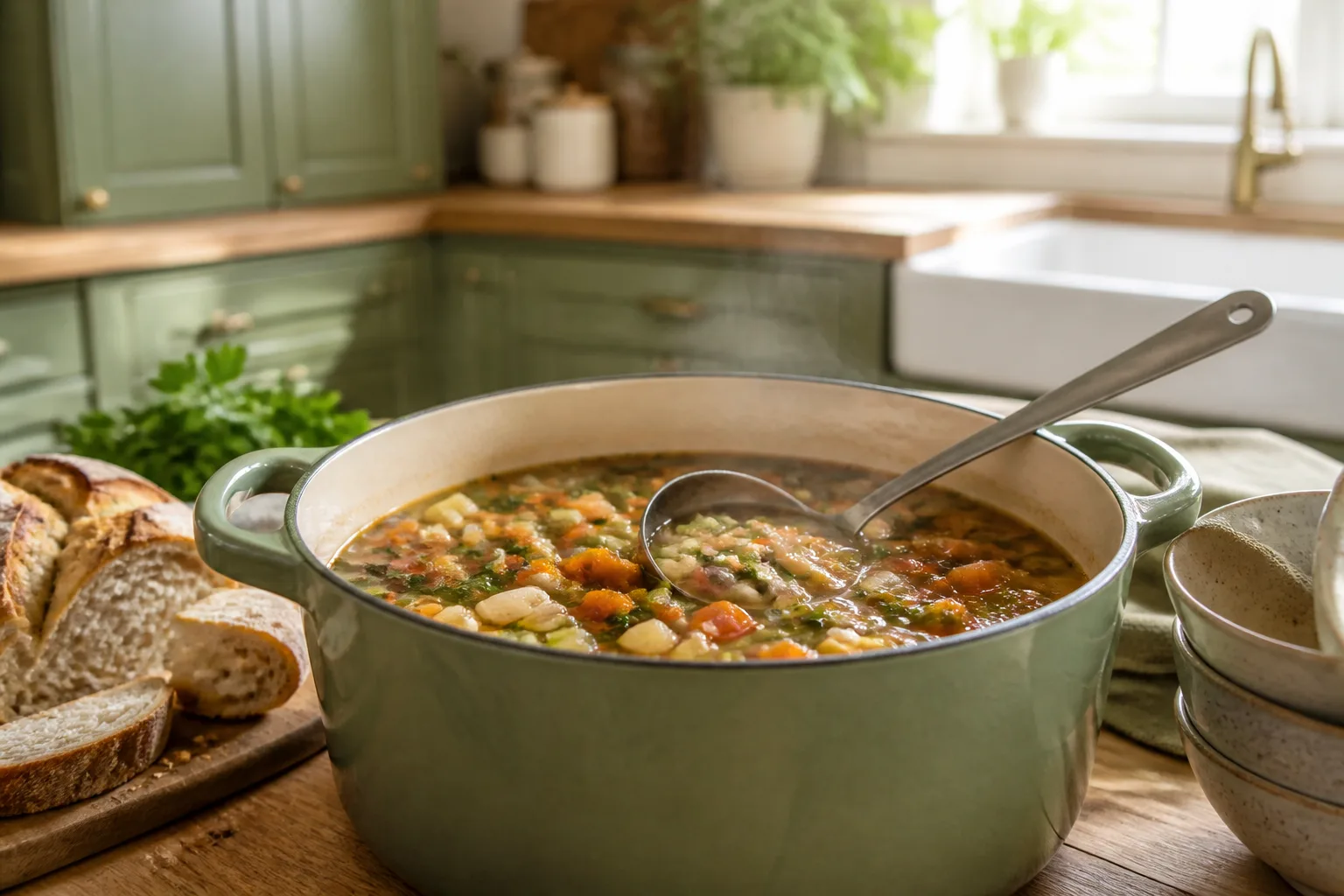

Selecting one peak-season vegetable or fruit as the weekly anchor lets cooks build five to seven distinct thirty-minute dinners by rotating quick techniques around that single ingredient. Choose the base on a weekend shopping trip, prepare a modest batch of it in advance, and vary seasonings and pairings each night to stay inside the time limit.
Why one weekly seasonal anchor keeps every dinner under thirty minutes
Butternut squash serves as a reliable autumn anchor because its dense flesh holds shape after roasting yet softens quickly when cubed. A cook can quarter and seed two medium squash on Sunday evening, toss the pieces with oil and salt, and finish them in a single sheet-pan batch that takes twenty-two minutes at 425 degrees. The roasted cubes then become the foundation for Monday’s pasta with sage and Parmesan, Tuesday’s grain bowl with spinach and feta, and Wednesday’s quesadillas folded with black beans and cumin. Each variation reuses the same pre-cooked cubes, eliminating the need to peel or chop during the workweek.
Zucchini works equally well in summer because it releases moisture fast under high heat. Slice four pounds into half-moons on Sunday, salt them briefly to draw out water, and sear half in a wide skillet for eight minutes. The remaining slices stay raw for Thursday’s salad with tomatoes and olives or get grilled on Friday with lemon and oregano. The initial trimming and portioning takes under fifteen minutes yet supplies enough material for multiple meals that finish in under half an hour once the base is ready.
The method succeeds because it collapses two separate tasks—ingredient selection and daily cooking—into one decision point. With the anchor already cooked or portioned, the remaining steps involve only assembly and seasoning. Families report fewer last-minute substitutions because the core element is already present in the refrigerator or freezer. The seasonal timing also improves flavor and price, since peak produce requires less added fat or sugar to taste complete.
Trade-offs appear when the anchor quantity is miscalculated. Over-purchasing leads to waste if the family tires of the flavor after three nights, while under-purchasing forces an extra shopping trip that defeats the time savings. A practical check is to estimate total servings needed, then prepare twenty percent extra to cover unexpected guests or leftovers that can be frozen.
Where the anchor method breaks if the base ingredient is poorly matched
Delicate greens such as arugula or baby spinach collapse under repeated reheating and lose texture within two days, making them unsuitable anchors despite their seasonal availability. A cook who attempts to roast or sauté a large batch on Sunday finds the leaves wilted by Tuesday, forcing either a rushed replacement or a compromised meal that exceeds thirty minutes. Root vegetables with long cooking times, such as whole beets, create the opposite problem: the initial preparation stretches past the target window and leaves little margin for the rest of the dish.
Mismatched flavor profiles also undermine the approach. An anchor like fresh corn works for quick sautés and salads but clashes with heavy spices intended for later meals, requiring additional steps to mask or balance the sweetness. Households that include both adventurous and selective eaters encounter resistance when the same base appears in every variation; children may accept corn in tacos yet reject it in a curry-style sauce. In such cases the method still saves chopping time but loses its psychological benefit of perceived variety.
Storage conditions matter as well. Stone fruit chosen in late summer bruises easily and ferments within four days if left at room temperature, while refrigeration dulls its aroma. Selecting an anchor that stores poorly forces daily monitoring and possible midweek discards, both of which add hidden minutes to the overall routine.
Adapting the core preparation across changing household needs
Different dietary requirements can be accommodated by splitting the anchor into parallel streams rather than altering the base itself. A single tray of roasted cauliflower can be divided after cooking: half tossed with nutritional yeast for a vegan dinner, the other half finished with butter and cheese for omnivores. The split occurs in the final three minutes, preserving the thirty-minute ceiling while satisfying both groups.
Busy evenings call for even simpler finishes. When a household member has an after-school activity, the pre-cooked anchor moves straight from refrigerator to microwave or skillet with a pre-mixed seasoning blend kept in a jar. The blend—salt, dried herbs, citrus zest—eliminates measuring and keeps flavor consistent without extra cognitive load.
Shifting preferences across seasons require only a change of the anchor rather than a full rewrite of the system. Spring asparagus replaces winter cabbage by adjusting the initial blanch time and swapping in lighter pairings such as lemon and almonds instead of slow-cooked stews. The underlying logic of bulk preparation followed by quick assembly remains intact.
Readers who want software support for tracking anchors, generating shopping lists, and storing household preferences can explore myDinnerPlan at the /register page.
The platform integrates these principles by suggesting anchors based on local seasonal availability and automatically scaling quantities according to household size. Users input basic details such as number of diners, dietary filters, and preferred cuisines, after which the system generates a seven-day plan centered on one produce item purchased in a single trip. Each evening the app displays a timed checklist that begins with reheating or finishing the prepped base and ends with plating, keeping every step under the thirty-minute mark even when unexpected schedule changes arise.
Building variety through technique rotation rather than new ingredients
Once the anchor is secured, the remaining creativity lies in method rather than sourcing. For instance, the same roasted cubes of butternut squash that starred in Monday’s pasta can become Wednesday’s soup simply by simmering them with broth and a pinch of curry powder for eight minutes before blending. The texture contrast between the original roasted pieces and the silky puree creates a perception of an entirely new dish without additional chopping or peeling. Similarly, raw zucchini slices reserved from Sunday can shift from Thursday’s salad to Friday’s stir-fry by adding them at the very end of cooking so they retain a slight crunch against the hot wok.
This rotation works because each technique alters mouthfeel and aroma in under ten minutes. Roasting deepens natural sugars through caramelization, while quick pickling in vinegar and herbs introduces brightness that pairs with different proteins each night. Grilling over high heat adds char that masks any repetition for picky eaters, and a brief toss in a hot skillet with garlic and chili flakes transforms the same base into something that feels appropriate for tacos rather than grain bowls. The key constraint remains that no single step should exceed the time already saved by the weekend prep.
Scaling the system for larger households or meal-prep enthusiasts
Families feeding six or more often double the initial batch and freeze half in single-meal portions. The frozen cubes or slices reheat directly from the freezer in a covered skillet with a splash of water, restoring moisture without thawing time. This approach also supports batch cooking for lunches; leftover quesadilla filling made from the anchor travels well in a thermos and reheats in a microwave at work in under five minutes. Households experimenting with zero-waste practices report using the anchor trimmings—squash seeds toasted with salt or zucchini ends added to a quick stock—as secondary flavor boosters that require no extra shopping.
Seasonal transitions become smoother when the app tracks which anchors performed best the previous year. A user who enjoyed success with cabbage in winter can receive an alert when local asparagus arrives, prompting an early switch that prevents flavor fatigue. The same logic applies to unexpected surpluses; if a neighbor shares extra tomatoes, the system suggests pivoting the anchor midweek rather than abandoning the plan entirely.
Addressing common execution questions
Cooks frequently ask how to maintain the thirty-minute ceiling when children or guests request customizations. The answer lies in modular finishing: keep a small bowl of plain anchor set aside before adding spices or cheese, then let each person dress their portion at the table. This adds perhaps two minutes of assembly but avoids separate cooking sessions. Another frequent concern involves equipment limitations. Sheet-pan roasting works in any oven, yet apartment dwellers without a full oven can achieve similar results by using an air fryer in two batches or a large cast-iron skillet on the stovetop, both of which finish the initial prep in comparable time.
Finally, the method encourages a weekly review on Saturday morning. Families note which variations were repeated requests and which felt repetitive, then adjust the next anchor accordingly. Over several months this feedback loop refines both the shopping list and the seasoning blends stored in the pantry, turning the original time-saving tactic into a sustainable household rhythm rather than a temporary experiment.
