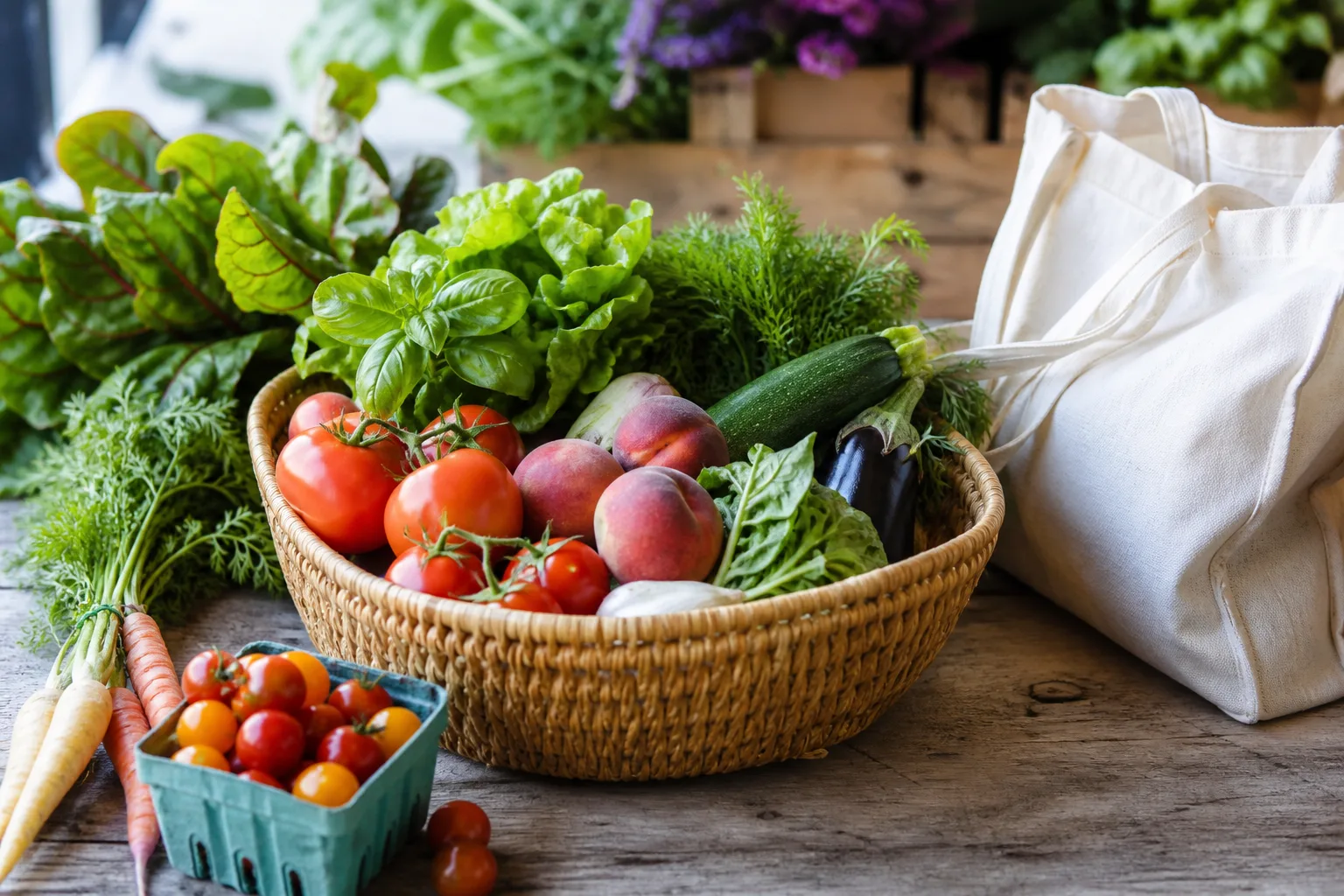

Sunday routines centered on meal preparation succeed when cooks choose between fixed batch methods and flexible theme frameworks. The choice depends on household size, storage space, and how often plans change during the week. Both paths deliver consistent dinners without daily restarts.
Full-Batch Sunday Cooking Demands Precise Storage and Timing
Batch preparation begins with selecting four or five core dishes that reheat well and scale easily. Cooks roast sheet pans of root vegetables, simmer a large pot of chili, and assemble two casseroles while the oven runs. Each item moves into labeled containers sized for single servings or family portions. Freezer space must accommodate at least half the output, because not every dish stays fresh in the refrigerator beyond four days.
Timing matters as much as volume. Vegetables lose texture after two reheats, so crews schedule those meals earlier in the week. Proteins such as braised chicken hold flavor longer and can shift later if needed. Cooks also track oven or stovetop recovery times; a frozen lasagna requires forty minutes to reach serving temperature, while soup warms in fifteen. This calendar prevents last-minute thawing surprises.
Storage limits surface quickly in smaller kitchens. A standard refrigerator holds roughly twelve quarts of prepared food before crowding occurs. Families with chest freezers gain breathing room, yet they must rotate stock to avoid freezer burn. Clear labeling with dates and reheating notes reduces waste and keeps the system reliable across seven days.
Tradeoffs appear in variety and satisfaction. A rigid batch plan cuts daily decisions, yet repetition can dull appetite by Thursday. Some households offset this by preparing one fresh element each evening, such as a quick salad or steamed vegetable, to accompany the pre-cooked base. Others accept the repetition in exchange for minimal weeknight effort.
Theme-Based Sunday Planning Leaves Room for Midweek Swaps
Theme planning starts with broad categories rather than exact recipes. A household might designate Monday for grain bowls, Tuesday for pasta, Wednesday for sheet-pan meals, and so on. The Sunday session focuses on stocking supporting ingredients and confirming pantry staples. Actual dishes form later when fresh preferences or schedule changes become clear.
This structure tolerates substitutions without collapse. If a Wednesday soccer practice runs late, the sheet-pan slot shifts to a quicker skillet meal drawn from the same theme. Ingredient overlap helps; extra roasted vegetables from Monday can appear inside Tuesday’s pasta without additional shopping. The approach reduces over-preparation because quantities adjust as the week unfolds.
Flexibility carries its own requirements. Households need reliable access to a shared recipe collection so quick swaps remain feasible. They also benefit from a running pantry inventory that flags low-stock items before Sunday. Without these supports, theme nights drift into repeated defaults such as the same stir-fry each week.
The method suits cooks who enjoy light decision-making during the week. It rewards those who keep versatile bases on hand, such as cooked grains or roasted proteins, that combine with different sauces or toppings. The Sunday investment stays modest, usually two to three hours, because full assembly waits until closer to each meal.
When Rigid Prep Schedules Reduce Decision Fatigue Most Effectively
Fixed batch calendars deliver clearest value when weekly attendance stays predictable. Households with steady work and school patterns can assign exact dishes to exact days and follow through without conflict. The upfront effort produces a visible map that removes repeated choices about what to cook or thaw.
This advantage grows in homes that lack extra freezer capacity. Precise portioning into daily containers keeps everything in the refrigerator and visible, eliminating forgotten items at the back. Families also report steadier grocery budgets because the Sunday shop covers only the listed recipes and nothing more.
Rigid plans weaken when unexpected events arise. A single canceled dinner forces either rushed adjustments or leftover accumulation. The same schedule can feel restrictive if one member develops a sudden aversion to a pre-cooked dish. In those cases, the time saved during the week shrinks because someone must still manage the mismatch.
The approach works best when storage, tastes, and calendars align closely. Cooks who enjoy one concentrated session followed by quiet evenings gain the most. Those who prefer daily variety or face frequent schedule shifts find the structure brittle.
Flexible Theme Reserves Win for Households With Variable Attendance
Theme reserves perform best when dinner headcounts fluctuate. Families with teenagers in activities, shift workers, or frequent guests benefit from categories that expand or contract easily. A pasta night can stretch from three servings to six by adding another box of noodles and extra sauce without rewriting the entire week.
The method also accommodates dietary changes. A household member returning from travel may request lighter meals midweek; the theme framework allows substitution within the existing category rather than discarding pre-cooked food. This adaptability preserves both time and ingredients.
Success depends on maintaining a modest set of building blocks. Cooked proteins, grains, and sauces stored separately combine into different meals under the same theme. Households that keep these components ready can respond to changes in under thirty minutes on most evenings.
Theme planning loses ground when storage is extremely limited or when the cook prefers zero weeknight involvement. In those situations, the need to assemble components each evening reintroduces daily decisions that a full batch plan would have removed.
Readers can apply either method by registering at /register.
Hybrid Approaches Bridge the Gap Between Predictability and Adaptability
Many households discover that neither pure batch cooking nor strict theme planning fully satisfies their needs across an entire season. A hybrid model lets cooks prepare a core set of batch items on Sunday while reserving two or three theme slots for quick assembly later. This middle path keeps the refrigerator from overflowing yet still removes the daily question of what to eat. Cooks begin by identifying which meals benefit most from advance cooking—typically soups, stews, and baked casseroles—and which lose quality when held too long. They then allocate Sunday time accordingly, roasting extra vegetables or cooking a large batch of grains that can serve both pre-portioned lunches and flexible evening builds.
Storage strategy changes under the hybrid system. Instead of filling every container with complete meals, crews divide space between finished dishes and component parts. A single large container of roasted chicken, for example, might supply Monday’s plated dinner, Tuesday’s grain-bowl addition, and Wednesday’s pasta topping. Clear labeling now includes not only dates but also suggested pairings so any household member can assemble a plate without guessing. The result is fewer forgotten items and less waste when plans shift.
Seasonal Adjustments Keep Both Systems Fresh
As produce availability and daylight hours change, successful meal planners revisit their Sunday routines every six to eight weeks. Summer brings abundant tomatoes and zucchini that suit quick skillet themes more than long-simmered batches. Winter favors root vegetables that hold up well under repeated reheating. Families that note these seasonal patterns in a simple notebook or digital list reduce the mental load of deciding what to cook next. They also adjust portion sizes: lighter summer meals require smaller containers, while hearty winter stews benefit from larger freezer bags that thaw into multiple dinners.
Weather and local events further influence the choice between methods. A predicted heat wave may push cooks toward no-oven theme nights that rely on pre-cooked grains and chilled proteins. Conversely, a stretch of cold evenings rewards the upfront effort of batch-roasted meats that reheat into comforting meals. Tracking these patterns over a few months reveals whether a household leans more toward fixed schedules or flexible reserves.
Equipment Choices Support Long-Term Consistency
The right tools reduce friction for either approach. A reliable food scale helps portion proteins accurately during batch sessions, while a set of stackable glass containers with vented lids simplifies both refrigerator and freezer storage. For theme planners, an instant-read thermometer and a versatile sauce pan allow rapid midweek assembly without guesswork. Households that invest in one or two high-quality appliances—such as a programmable slow cooker or a wide sauté pan—find that Sunday effort translates into smoother weeknight execution regardless of the chosen framework.
Maintenance routines matter as much as the initial prep. Every Sunday, cooks spend five minutes checking inventory against the coming week’s themes or fixed dishes. They note items nearing their safe refrigerator window and move them forward on the calendar. This small habit prevents the common failure mode where food spoils because no one remembered what was already prepared.
Measuring Success Beyond Time Saved
Households that track outcomes discover additional benefits. Reduced decision fatigue often improves evening mood and sleep quality. Consistent access to home-cooked meals correlates with better control over sodium and vegetable intake. Some families report lower monthly grocery spending once they stop relying on last-minute takeout. Others notice that children or partners become more willing to help with reheating or simple assembly when the framework is clear.
Over several months, most cooks refine their personal ratio of batch to theme. A household with young children might increase batch volume during sports season, then shift toward themes when schedules loosen. The key is treating the Sunday routine as an evolving system rather than a fixed rule. Small experiments—one month of heavier batching, one month of lighter prep—provide data that no single article can supply. Readers who test both methods against their own calendars and storage limits usually settle on a comfortable balance that delivers reliable dinners with minimal daily effort.
On food waste: USDA consumer food-waste tips
