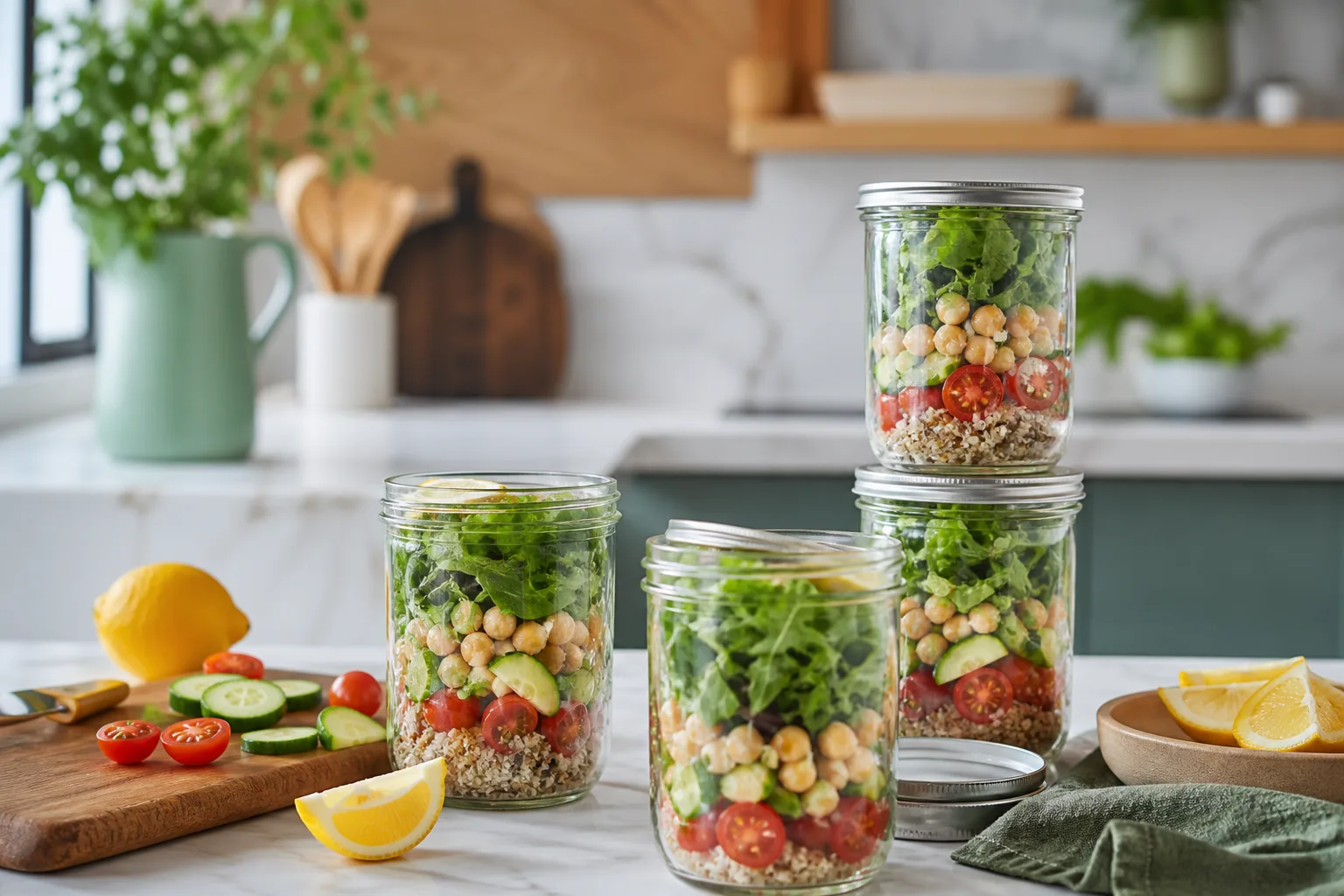

Taco bowl meal prep scales across a full week when cooks divide components into measured portions immediately after cooking rather than consolidating everything into single containers. This method supports repeated build-your-own nights while preserving distinct textures and allowing different flavor combinations without additional shopping or reheating steps.
Prepping a Single Base Without Portioning for Multiple Meals
Rice and beans form the foundation of most taco bowls, yet many households cook one oversized batch and store it in a single container. The result appears convenient at first, but the combined mass cools unevenly and develops a uniform texture after two days. Separate the rice into 2-cup containers right after the initial cook, then label each with the date and intended use. Beans receive the same treatment in 1.5-cup portions that fit standard meal containers.
This division creates several tradeoffs. Individual containers occupy more refrigerator space than one large tub, yet they allow selective reheating that keeps grains from turning gummy. Cooks who skip the step often discover that the entire batch must be consumed within three days or discarded, which undercuts the goal of weekly scaling. A practical example involves preparing four cups of rice on Sunday, splitting them into two containers, and reserving one for Wednesday while the other supports Friday. The second container stays fresher because it avoids repeated temperature changes from opening a shared tub.
Portioning also simplifies substitution when a household member requests a lower-carb option. One container can be swapped for cauliflower rice without affecting the rest of the supply. Households that maintain this habit report fewer last-minute adjustments and maintain consistent ingredient quality through the fifth or sixth day.
Ignoring Dietary Filters When Choosing Toppings
Toppings determine whether a taco bowl night accommodates different preferences without separate cooking sessions. Common errors include purchasing a single block of cheese or one style of salsa that excludes lactose-intolerant or low-sodium diners. Selecting toppings with built-in variety from the outset prevents these exclusions. Shredded cheese, diced avocado, and pickled onions each occupy their own small containers so individuals can assemble bowls according to their needs.
Tradeoffs appear in storage and cost. Multiple small containers require more shelf space than one large tray, yet they reduce food waste because unused portions remain sealed. A concrete case involves stocking both mild and spicy salsa in separate jars; the mild version serves children while the spicy version satisfies adults without doubling the shopping list. Households that overlook this step frequently prepare two parallel meals, which doubles cleanup time and defeats the efficiency of a shared base.
Filters also extend to protein choices that appear later in the week. Keeping a small container of roasted vegetables separate from meat allows quick swaps for vegetarian nights. The approach demands an initial inventory of what each person avoids, but once recorded it guides purchases for subsequent weeks without repeated discussion.
Skipping Pantry Checks Before Bulk Rice and Bean Batches
Bulk cooking of rice and beans assumes the pantry already holds sufficient dried goods, yet many cooks begin the process without verifying stock levels. The oversight leads to mid-prep trips to the store or incomplete batches that fail to cover planned meals. A quick inventory of rice, beans, spices, and oil before the weekend cook prevents these interruptions.
The tradeoff involves five minutes of checking versus potential waste from overbuying. Cooks who perform the check can adjust quantities downward when supplies run low and substitute canned beans for dried ones without changing the overall plan. An example shows a household discovering only two cups of rice remain, prompting a smaller batch and a side of roasted sweet potatoes to stretch the supply. Without the check, the cook might prepare an oversized batch that exceeds available rice and then purchase expensive pre-cooked alternatives.
Pantry verification also reveals opportunities to rotate older items forward. Spices purchased months earlier can be used first, preserving freshness in newer containers. This habit integrates into weekly planning by creating a short list of needed staples rather than relying on memory during the shopping trip.
Locking Every Night to the Same Protein Choice
Repeating the same ground beef or chicken across every taco bowl night removes the flexibility that build-your-own meals are meant to provide. The error stems from cooking one protein in bulk and assigning it to each evening without variation. Introducing two proteins and one plant-based option during the initial prep restores choice while still allowing advance cooking.
Tradeoffs center on time and equipment. Preparing three proteins requires more pans or a larger oven sheet, yet the extra effort occurs once rather than across multiple evenings. A practical illustration involves roasting a tray of spiced chickpeas alongside a skillet of beef and a batch of shredded chicken. Each protein stores separately, so Tuesday can feature chickpeas with extra avocado while Thursday uses beef with added cheese. Households that maintain one protein often grow tired of the repetition and abandon the planned meals by midweek.
Variation also supports dietary filters already addressed in the topping section. One protein can remain mild while another incorporates stronger seasoning, giving each person a complete bowl without extra work. The pattern scales further when cooks note which proteins freeze well and reserve portions for later weeks.
Neglecting to Prepare Versatile Sauces Separately
Sauces and dressings often determine whether a taco bowl feels complete or repetitive by the middle of the week. Many cooks prepare only one large batch of a single sauce and store it in one jar, which leads to flavor fatigue and forces last-minute improvisation. Dividing sauces into small, labeled portions right after cooking preserves distinct profiles and supports varied builds without extra daily effort. A crema can sit alongside a chipotle-lime version and a simple cilantro-lime mix, each in its own 4-ounce container. This approach adds five minutes of extra measuring on prep day yet eliminates the need to remix ingredients each evening. Households that skip the step frequently discover that one dominant sauce overpowers every bowl, prompting them to abandon the plan and order takeout instead.
Tradeoffs center on refrigerator space and initial planning. Multiple small jars occupy more room than a single large one, yet they keep sauces fresher because each stays sealed until needed. An example shows a household preparing three sauces on Sunday, using the crema for Monday and Wednesday while saving the chipotle version for Friday. The separation also accommodates dietary needs already addressed through toppings, such as offering a dairy-free option without affecting the rest of the supply. Cooks who maintain this habit report consistent bowl quality through day six and fewer discarded leftovers.
Failing to Account for Vegetable Freshness Over the Week
Vegetables provide crunch and color but lose appeal quickly when prepped without regard for storage duration. Chopping an entire head of lettuce or several bell peppers on Sunday and storing them together causes rapid wilting and moisture buildup. Instead, prepping only what the first two days require while keeping the rest whole extends usability. Leafy greens stay crisper in a perforated bag with a paper towel, and firmer vegetables like carrots or radishes can be sliced later in the week. The method demands a short midweek check but prevents the soggy textures that make planned meals unappealing.
The tradeoff involves slightly more active time spread across days versus a single long session. Households that cut everything at once often face discarded produce by Thursday, undermining the goal of weekly scaling. A practical case involves washing and drying lettuce for immediate use while leaving cabbage intact until Wednesday, when it receives a quick shred and rinse. This staggered approach also supports the protein and topping variations already in place, allowing fresh elements to pair with whichever base is reheated that night.
Overlooking Freezer-Friendly Components for Extended Scaling
Not every component needs to remain in the refrigerator for the full week. Some cooks treat all prepared items as short-term fridge stock, which forces rushed consumption or waste after five days. Identifying which elements freeze well, such as cooked beans, certain proteins, and cooked rice portions, extends the plan into a second week without new shopping. Freezing requires only an extra set of labeled bags and a quick thaw on the counter or in the fridge overnight. The extra step occurs once during initial prep yet multiplies the reach of the original cook session.
Tradeoffs include minor texture changes upon thawing versus the benefit of reduced weekly effort. Rice and beans hold up well after freezing, while fresh toppings do not. An example shows a household freezing half the bean portions on Sunday, then pulling them for the following week’s bowls. This practice integrates with the earlier pantry check by confirming which items tolerate freezing before bulk cooking begins. Households that adopt it maintain variety longer and report lower overall food costs across multiple weeks.
If you would rather keep the calendar and shopping list together, try myDinnerPlan free.
Prefer a shared plan over sticky notes?
Try myDinnerPlan free