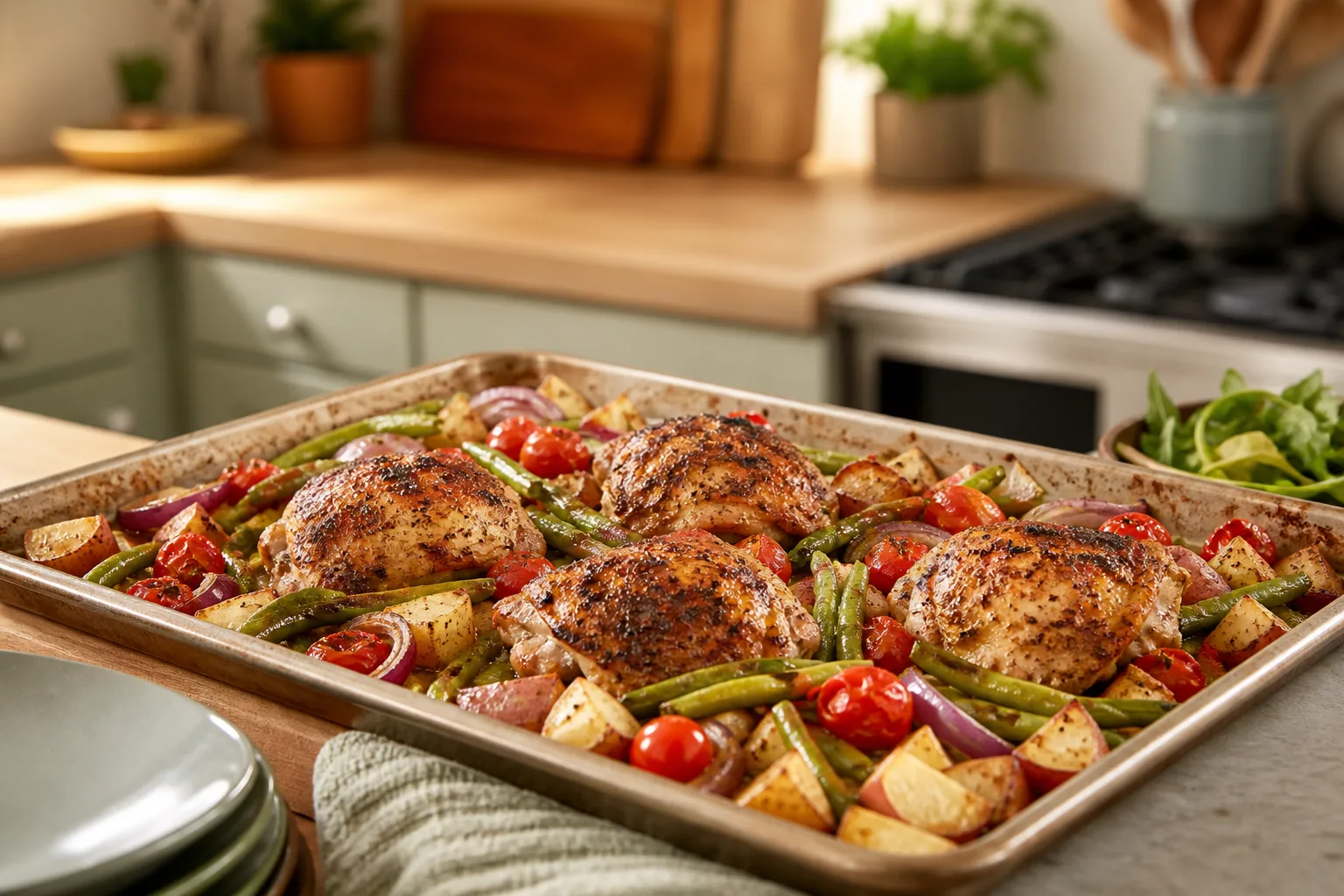

Rotisserie chicken stretches across a full week of dinners once divided into measured portions right after purchase. Cooks remove the meat from the bones, separate it by texture, and store each batch in its own container. This step creates distinct starting points that pair with whatever produce sits at peak ripeness in the market that week.
Dividing a Rotisserie Chicken into Multiple Dinner Bases
A standard bird yields roughly three cups of usable meat after the carcass is set aside for stock. One approach keeps a cup of shredded meat for dishes that need even distribution, such as grain bowls or soft tacos. Another cup stays in larger chunks suited to soups or casseroles where pieces should remain visible. The final cup can be sliced thin for quick sautés or sandwiches.
Each choice carries tradeoffs. Shredded meat absorbs sauces quickly yet dries out after two days in the refrigerator, so it works best for meals planned early in the week. Chunkier pieces hold moisture longer and reheat without turning stringy, yet they require more chopping time at the stove. Sliced portions cook fastest but lose appeal if reheated more than once.
Cooks who test these divisions over several weeks often settle on a repeating pattern. They assign the shredded portion to Monday or Tuesday when energy for assembly runs high, reserve chunks for a midweek soup that simmers unattended, and hold slices for a weekend lunch that needs only a skillet. The carcass itself simmers into broth that later moistens rice or extends a lighter vegetable soup, reducing waste without extra shopping.
Matching Early-Season Vegetables to Each Portion
Asparagus, peas, and tender greens arrive first in most regions and match the divided chicken portions without heavy seasoning. The shredded meat combines with blanched peas and a quick lemon vinaigrette for a cold grain salad that travels well to work lunches. Chunks of chicken drop into a broth with sliced asparagus and new potatoes for a one-pot dinner that finishes in twenty minutes. Thin slices pair with wilted spinach and a soft egg for a skillet hash that uses the same pan for both protein and greens.
Seasonal timing affects texture and flavor balance. Early asparagus remains crisp when added at the last minute, so it contrasts the soft shredded chicken without turning limp. Fresh peas lose sweetness if overcooked, which makes them better suited to the salad format than to long-simmered dishes. Spinach wilts in seconds, allowing the sliced chicken to finish cooking in the same pan and pick up the residual moisture.
Cooks adjust portions based on what actually appears at the market rather than a fixed list. If peas run short, they substitute snap peas or fava beans and keep the same assembly order. The method stays consistent even when one vegetable replaces another, because the chicken portions already dictate the dish structure.
Building Repeatable Shopping Lists from the Same Bird
Once the division pattern is set, the weekly market list narrows to three or four produce items plus pantry staples already on hand. The shredded portion calls for a grain or legume, a bright acid, and one crisp vegetable. The chunk portion needs broth ingredients and a starchy root. The sliced portion requires only a quick-cooking green and perhaps a finishing herb.
This repetition reduces the number of decisions at the store. Shoppers can walk the same aisles each week and still vary the meals by swapping one vegetable for another within the same category. A head of lettuce replaces spinach on one trip; radishes stand in for peas on another. The underlying chicken portions keep the overall shape of each dinner recognizable, which helps household members anticipate what to expect without new instructions.
Over several weeks the pattern also reveals which items truly repeat and which appear only once. Olive oil, salt, and a neutral grain appear every time, while specialty herbs rotate with the season. The list therefore stays short yet flexible enough to absorb small substitutions without derailing the plan.
Adjusting Leftover Chicken Amounts for Household RSVPs
When extra guests confirm attendance, the same stored portions stretch by adding more vegetables rather than more meat. A cup of shredded chicken that normally serves two becomes a salad for four once extra peas and an additional grain are folded in. Chunk portions extend into soup by increasing the broth and potato volume while keeping the chicken amount fixed. Sliced meat covers more plates when arranged over a larger bed of greens and finished with an extra egg or two.
These adjustments preserve the original flavor balance because the chicken serves as accent rather than bulk. Households that track attendance through a shared calendar can decide the night before whether to increase the vegetable side or to move one portion to another meal entirely. Either choice avoids last-minute purchases while still accommodating varying numbers at the table.
Users who want to record these divisions, generate the resulting lists, and share RSVPs in one place can try myDinnerPlan after signing up at /register.
The same framework extends naturally into the middle of the week when early produce gives way to slightly firmer vegetables that still cook quickly. Broccoli stems, for instance, can be peeled and sliced thin to join the chunked chicken in a broth that now includes the reserved carcass stock, creating a simple soup that simmers while other household tasks continue. The sliced chicken portion, meanwhile, moves into a stir-fry with early cabbage and a splash of soy, finished with scallions that hold their color even after a day or two in the crisper.
These midweek meals benefit from the initial division because each chicken texture already matches the cooking time required. Shredded meat reheats evenly in the cabbage pan without overcooking the greens, while chunks absorb the broth flavor without breaking apart. Cooks who prepare a small batch of vinaigrette or a simple herb oil on Sunday can reuse it across these dishes, cutting prep time further.
As the week lengthens, later-season items such as zucchini or young carrots enter the rotation without disrupting the pattern. The shredded chicken folds into a warm pasta dish where zucchini ribbons replace some of the grain, keeping the portion sizes consistent. Chunked meat pairs with roasted carrots and the remaining broth for a one-pan supper that uses the oven while the stove stays free. Sliced portions finish quickly over high heat with carrots shaved into ribbons, preserving their crisp edge.
Stock from the carcass plays a larger role here, thinning sauces or moistening reheated grains so that nothing tastes like leftovers. A cup of broth added to rice the night before keeps it fluffy for the final skillet meal. Households that track what actually gets eaten can shift any unused chicken portion forward or backward by a day, always pairing it with the freshest produce on hand rather than forcing a rigid schedule.
The approach also scales when the season shifts toward tomatoes and peppers. Blanched and peeled tomatoes combine with the shredded meat for a light sauce over polenta, while chunks simmer briefly with peppers for a stew that needs only bread on the side. Thin slices top a quick salad of raw peppers and herbs, using the same acid and oil already measured for earlier meals. Throughout, the emphasis remains on minimal new purchases and maximum flexibility, turning one bird into seven distinct dinners that reflect what the market offers each day.
Public references: USDA food-waste tips MyPlate
