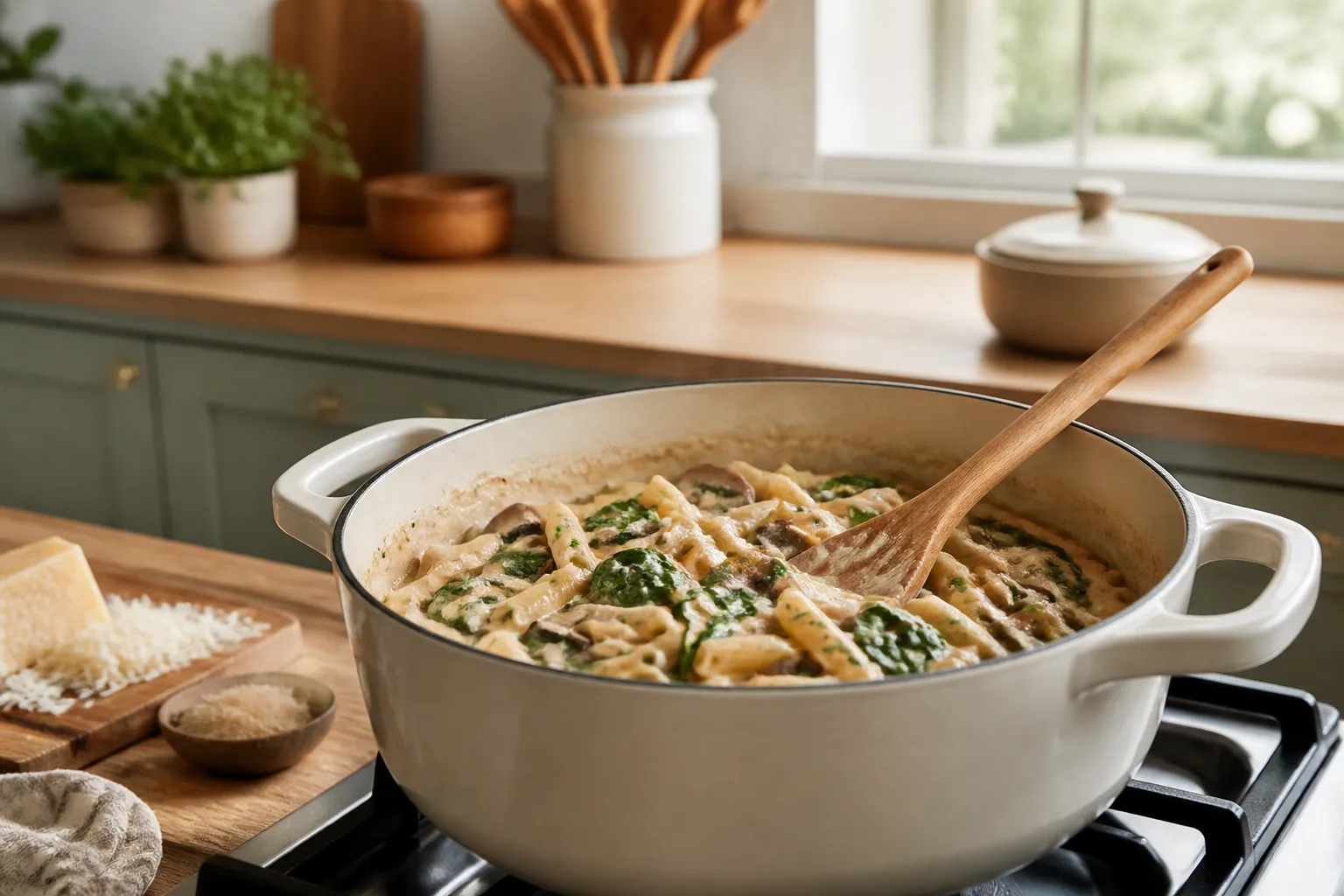

Families seeking vegetarian meal plans benefit from testing assumptions against seasonal produce cycles and actual household schedules rather than adopting blanket rules. Adjusting protein choices, repetition risks, shopping cadence, and calendar rigidity produces workable routines that reduce waste and increase acceptance at the table.
Vegetarian Meals Always Lack Kid-Approved Protein
Beans and lentils supply complete protein when paired with grains, yet texture and flavor determine whether children accept them. A summer zucchini and white bean patty holds together better than a winter lentil loaf because fresh squash adds moisture without extra binders. Families therefore trade longer oven times in cooler months for quicker skillet versions that incorporate available greens.
Eggs offer another reliable source during peak laying seasons on small farms or at markets. Scrambling them with late-summer corn kernels creates a one-pan dish that children recognize from breakfast routines. The tradeoff appears when winter storage crops dominate: root vegetables require roasting first to concentrate sweetness before eggs bind them into fritters.
Dairy products such as Greek yogurt and cheese maintain protein density without daily meat purchases. Stirring yogurt into a chilled cucumber soup in July keeps preparation under fifteen minutes, while the same yogurt thickens a winter vegetable stew after the roots have simmered. Households that rotate these formats avoid the perception that vegetarian plates feel incomplete.
Seasonal Produce Forces Repetitive Dinners All Week
Peak-season vegetables arrive in volume, which tempts cooks to repeat the same preparation. Corn at its height can appear as grilled cobs one evening, folded into quesadillas the next, and pureed into a chilled soup later in the week. Each iteration changes texture and temperature so the ingredient does not register as repetition to young diners.
Winter squash follows a similar pattern once cellar storage begins. Cubes roasted with rosemary on Monday become the base for a Wednesday pasta sauce after they are mashed with garlic. The flavor shifts because the second cooking step adds new aromatics rather than reheating the original batch. This sequence uses one purchase across three meals without requiring identical plates.
Tradeoffs surface when a single crop dominates the market for several weeks. Families counter the risk by dividing bulk purchases immediately: some portion freezes as puree, another portion pickles for texture contrast, and the remainder stays fresh for roasting. The extra initial labor occurs once, then subsequent meals draw from already processed stock.
Meatless Planning Requires More Grocery Runs Than Mixed Diets
Fresh produce spoils faster than shelf-stable pantry items, yet planned overlap between meals reduces midweek trips. A single bunch of kale can supply sautéed side portions early in the week and later contribute to a blended soup once stems have been saved for stock. The same shopping basket therefore covers multiple days when cooks map secondary uses before leaving the store.
Bulk dry goods further limit frequency. A large bag of chickpeas purchased at the start of the month yields salads, curries, and roasted snacks without additional legume purchases. Seasonal vegetables fill the remaining slots on the list, but the protein base remains constant until the next planned restock.
The tradeoff involves storage space and advance processing. Households that lack freezer capacity must schedule shorter cycles and accept one extra trip every ten days rather than every fourteen. Those who invest in simple preservation steps—blanching greens or cooking beans in advance—extend intervals between market visits to match or exceed mixed-diet households.
One Fixed Vegetarian Calendar Fits Every Household Taste
A single weekly template rarely survives contact with varying school activities, work travel, and local harvest dates. Instead, planners designate theme nights that flex with available ingredients. Pasta night, for example, accepts whatever leafy green or squash appears at the market rather than locking in a specific sauce recipe months ahead.
Portion scaling provides another adjustable lever. A large batch of chili made with three-bean mix and late-season tomatoes serves four on a quiet evening and supplies lunches the following day; the same base stretches further when corn tortillas turn leftovers into tacos after a busy sports practice. The underlying plan stays intact while serving sizes respond to real-time demand.
myDinnerPlan supports these adjustments by letting users import seasonal recipes from public sources and generate filtered weekly plans that respect pantry stock and household preferences. Readers ready to test the approach can begin at /register.
Seasonal produce cycles also challenge the assumption that vegetarian households must invest more time in daily prep than omnivore ones. Root vegetables harvested in autumn store well but demand upfront washing, peeling, and portioning that busy parents often postpone until evening. Families offset this by batch-roasting beets, carrots, and parsnips on Sunday while the oven runs for other tasks, then reheating portions with quick herb finishes on subsequent nights. The initial hour of labor yields five or six side dishes, freeing weeknights for assembly rather than from-scratch cooking. In contrast, peak summer tomatoes and zucchini require almost no advance work yet spoil within days, forcing cooks to prioritize immediate use or simple preservation like quick-pickling. Households that align preservation tasks with harvest peaks rather than fixed weekly schedules therefore spend comparable or fewer active minutes overall than families managing frequent meat thawing and marinating.
Another overlooked tradeoff concerns micronutrient variety across the year. Leafy greens supply folate and vitamin K abundantly in spring and fall, yet winter diets lean toward stored potatoes and onions that offer fewer of these compounds unless supplemented by frozen spinach or greenhouse herbs. Parents who track color diversity on the plate—pairing orange squash with green cabbage slaw—maintain balance without separate supplement routines. The same principle applies to iron absorption: vitamin C from citrus or bell peppers, available cheaply in winter markets, multiplies uptake from lentils far more effectively than generic rules about “eating more spinach.” Seasonal shopping lists that note these synergies reduce both grocery costs and the mental load of tracking abstract nutrition targets.
Finally, the notion that vegetarian plans must remain strictly plant-based year-round ignores pragmatic flexibility during travel or illness. A single carton of eggs or block of cheese purchased at a roadside market can stretch limited pantry stock when fresh produce is scarce, without derailing the overall pattern. Families that treat these exceptions as deliberate pauses rather than failures maintain consistency over months instead of cycling through restrictive resets. By mapping every assumption against actual harvest calendars and household calendars, the routines described here scale across seasons while keeping waste low and acceptance high.
On balanced plates: USDA MyPlate
