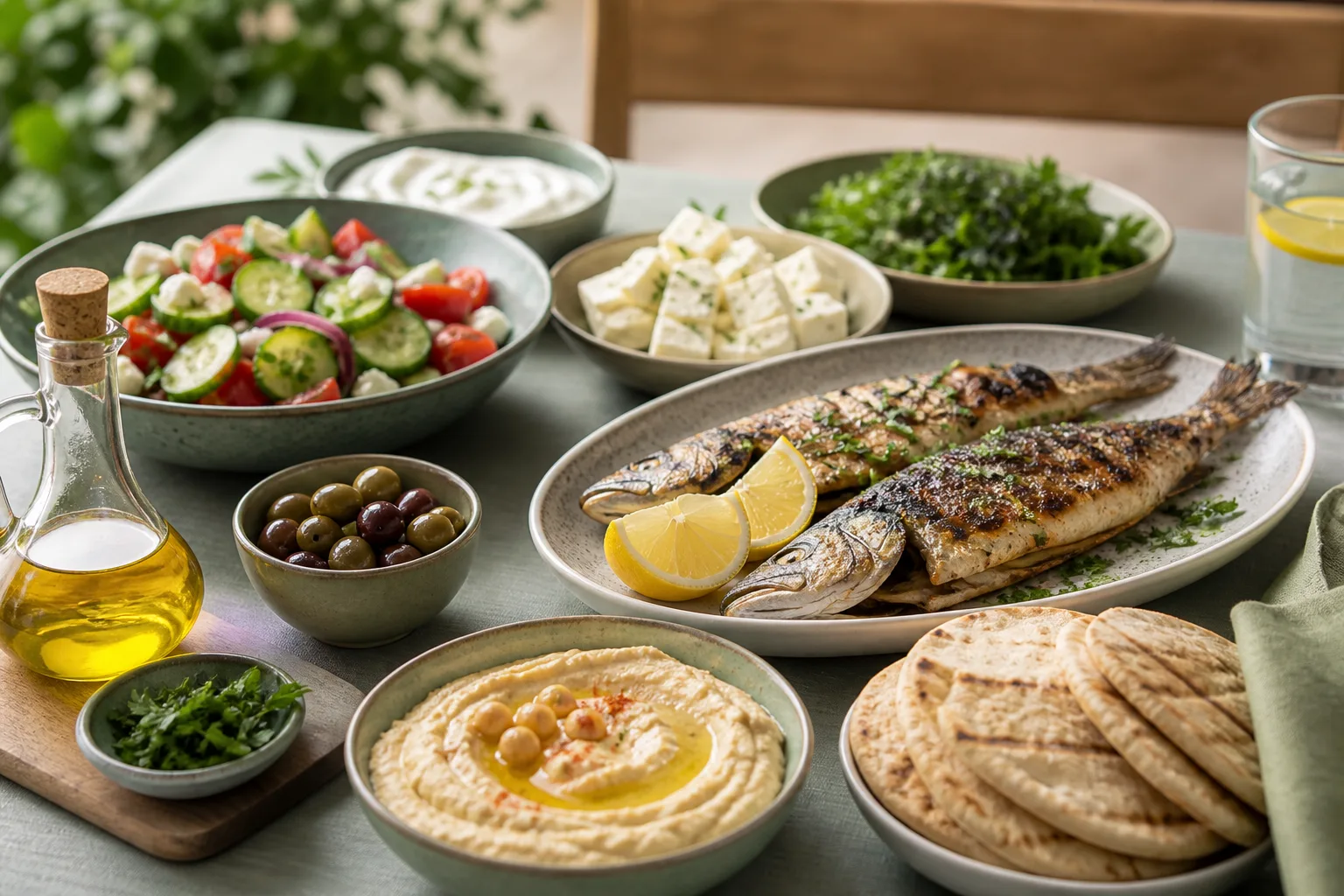

Sunday offers a natural pause for many households to organize food for the days ahead, yet the method chosen can either lock in a predictable path or leave room for adjustment as real life unfolds. Two practical styles have emerged from repeated trials in different kitchens: one that commits to complete meals ready to reheat, and another that assembles separate elements meant to be paired in varying combinations. The first tends to suit steadier routines, while the second accommodates the interruptions that arise when work, school, or social plans refuse to stay fixed.
Rigid Sunday Reset: Exact Meals Prepared in Advance
A rigid approach begins with a narrow list of full dishes chosen for the entire week. On Sunday morning or afternoon the cook selects five or six entrees, prepares each in its finished form, and portions them into containers labeled by day. One common sequence might include a large tray of baked ziti, a sheet-pan salmon with potatoes and green beans, a pot of chili, roasted chicken thighs with root vegetables, and a lentil stew. Each item is cooked through, cooled, and stored so that Tuesday’s dinner requires only a microwave or quick oven reheat. The advantage appears clearest when weekday evenings follow an unchanging pattern: children return from after-school activities at the same hour, one adult works a steady shift, and no one travels. Under those conditions the pre-planned dishes remove the need to assemble ingredients or decide flavor profiles after a long day.
Tradeoffs surface quickly, however. Because each container holds a complete plate, swapping one meal for another is difficult without thawing and re-cooking an entire batch. If a child suddenly dislikes the chili or an unexpected late meeting pushes dinner past the point where the salmon still tastes fresh, the household either eats something it no longer wants or risks spoilage. Storage space also becomes a constraint; five full meals occupy more refrigerator real estate than separate components would. Still, for families who value repetition and minimal midweek handling, the rigid method delivers consistency that can outweigh these limits.
Flexible Sunday Reset: Versatile Components Ready to Combine
The flexible style treats Sunday as an opportunity to build a small pantry of ready elements rather than finished plates. A typical session might produce a tray of roasted vegetables, a pot of grains, two or three proteins cooked plainly, a simple sauce, and washed greens. On Monday the household might combine grains with vegetables and chicken for a warm bowl; on Wednesday the same vegetables and sauce could top pasta or fill wraps. Because nothing is fully assembled until the evening it is eaten, the cook can adjust portions, swap proteins, or stretch a component across two meals if plans change.
This method demands more mental tracking during the week, yet it reduces waste when schedules shift. A meeting that runs late no longer threatens an entire pre-plated dinner; the components simply wait in their original containers. The approach also accommodates dietary variety within one household: one person can add cheese to a grain bowl while another keeps it plant-based. The main cost is the extra step of combining elements each evening, which takes five to ten minutes longer than reheating a single container. Over time, however, many cooks find that the added flexibility offsets the small daily effort.
When Rigid Prep Reduces Midweek Decisions Most Effectively?
Rigid preparation shows its clearest value in households whose calendars stay largely predictable from one week to the next. When both adults work set daytime hours and children follow consistent activity schedules, the Sunday investment of finishing full meals pays dividends by eliminating any need to open the refrigerator and negotiate options. The containers themselves become the decision: the label for Wednesday already exists, so no further discussion occurs. This structure also supports batch cooking of dishes that improve after a day or two in the refrigerator, such as soups or casseroles whose flavors deepen. For families that cook once and then rely on the same sequence for several weeks, the repetition itself becomes a form of simplicity rather than a drawback.
The same method can falter when even one variable changes—an early dismissal from school, a visiting relative with different preferences, or a sudden desire for something lighter. In those moments the pre-committed meals leave little room for adjustment without additional cooking. Rigid prep therefore works best when the household has already tested its rhythm and confirmed that deviations remain rare.
When Flexible Prep Handles Schedule Shifts Better
Flexible component prep earns its place when the week contains built-in uncertainty. Shift workers, households with teenagers who come and go, or families that frequently host last-minute guests benefit from having separate elements that can be scaled up or paired differently. A container of roasted vegetables can become part of a quick stir-fry, a side for grilled fish, or the base of a frittata without requiring a second shopping trip. The method also supports smaller portions on lighter days and larger ones when appetites increase, avoiding the pressure to finish a full pre-portioned meal.
The practical limit appears when a household prefers strong repetition or has limited refrigerator space for multiple open containers. In those cases the flexible style can generate its own form of daily micro-decisions about pairings. Yet for many, the ability to absorb change without discarding food outweighs that cost. A household that tracks its own patterns over several weeks can decide which style aligns more closely with its actual rhythm rather than an idealized one.
If a digital tool would help translate either style into recurring lists, myDinnerPlan offers one optional route. For those ready to begin, register here to explore the approach that matches your week.
On balanced plates: USDA MyPlate
