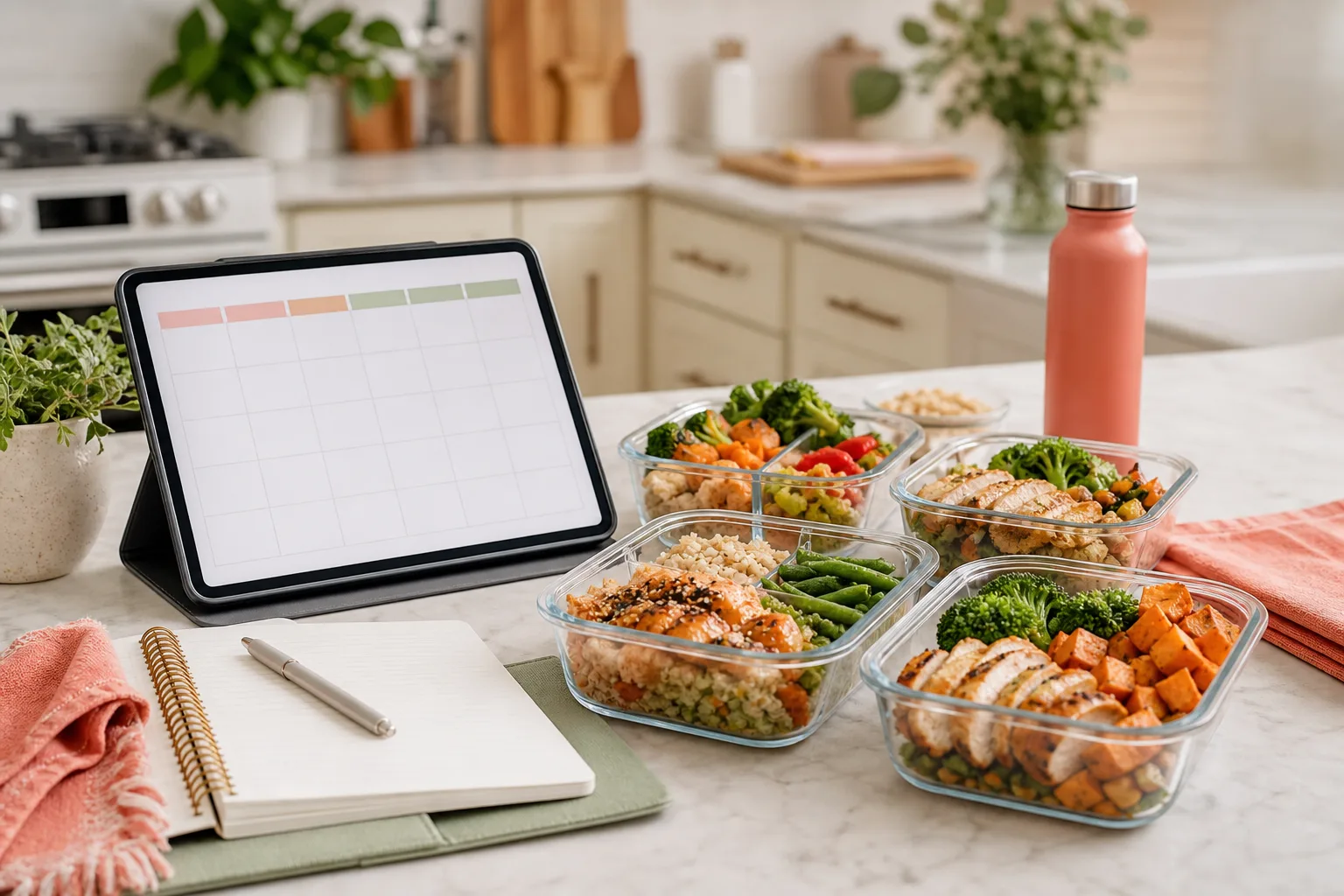

Holiday weeks demand reliable dinner routines that avoid unnecessary complications. Families achieve this goal by drawing on shared recipe collections and established planning methods to handle irregular calendars. The approach centers on reuse of proven meals and minimal adjustments that preserve time and energy.
How do shared recipes reduce holiday week decision time?
Recipe libraries built over months or years give households immediate access to tested options without fresh searches each evening. A family might keep twenty core dishes that rotate through the season, each already adjusted for household tastes and available equipment. Selection then takes minutes rather than the longer process of scanning new sources or debating untried combinations.
The tradeoff appears when a library grows too large or disorganized. Over time, users must prune entries that no longer fit dietary needs or seasonal ingredients, or the list itself becomes another item to manage. Concrete practice involves tagging recipes by preparation time or main protein so that a quick filter surfaces suitable choices for any given night.
Shared access further shortens conversations at the table. When every member can view the same set of options, agreement forms faster than when one person proposes ideas from memory alone. A household might designate one evening to review the upcoming week and lock in four or five selections drawn directly from the collection, leaving the remaining nights open for simple repeats or leftovers.
Examples include pulling a previously successful sheet-pan salmon with roasted vegetables rather than inventing a new centerpiece around a holiday ham. The same library entry can be scaled by doubling the vegetable portion or swapping in a different starch based on what the pantry already contains. Over several holiday weeks, this pattern compounds into fewer last-minute store trips and steadier evening pacing.
What pantry habits prevent extra holiday shopping runs?
Pantry tracking starts with a weekly glance at staples rather than a full inventory each time. Households note quantities of rice, canned tomatoes, dried beans, and common spices on a single list posted inside the cupboard door. This record lets cooks substitute or stretch existing items before adding new purchases to the calendar.
Tradeoffs arise when habits become rigid. A strict rule against any midweek purchase can lead to unbalanced plates or repeated meals that lose appeal. Flexibility comes from allowing one small, targeted errand for fresh produce or dairy while keeping dry goods and frozen backups as the default foundation.
Concrete examples show the difference. A cook planning around a holiday potluck might rely on stored lentils and frozen spinach to create a side dish instead of buying specialty greens. Another household keeps a running note of opened packages so that half-used jars of sauce or bags of pasta appear in meals before they spoil. These steps reduce the number of separate shopping lists and keep preparation anchored in what already exists at home.
Consistency matters more than perfection. Families that review the pantry on the same weekday each week develop a rhythm that survives the added events of the season. The practice also surfaces items nearing expiration early enough to incorporate them without waste.
When do theme nights fit a packed calendar without added effort?
Theme nights succeed when they align with existing calendar patterns rather than impose new structures. A household might assign pasta on the evening before a large family gathering because the meal can be prepared in advance and reheated. Another might reserve soup and bread for the night after travel because both travel well in insulated containers.
The tradeoff lies in overcommitment. Fixed themes that ignore actual availability of time or ingredients create pressure instead of relief. Successful use therefore treats themes as loose categories that can shift by a day when schedules change.
Examples illustrate the balance. A family might keep a simple “roast night” on Sundays during December because the oven handles both the main dish and sides with minimal active cooking. On a Tuesday with late meetings, the same household substitutes a quicker skillet version of a familiar chicken dish instead of abandoning the broader plan. The category remains useful without locking every detail in advance.
Over several weeks, these recurring anchors reduce daily deliberation while still allowing swaps. The calendar stays readable because the themes occupy predictable slots that family members already expect.
How can auto-generated plans adapt to last-minute holiday changes?
Auto-generated plans provide an initial framework that accounts for typical meal frequency and household size. Adjustments then occur through filters that exclude certain ingredients, prioritize pantry items, or shorten preparation windows on specific days. The original outline remains visible so that only targeted swaps are needed rather than a complete rebuild.
Tradeoffs appear when plans become too detailed too early. A rigid seven-day schedule can collapse under an unexpected guest or canceled event. The practical response involves generating the plan with built-in flexibility, such as designating two nights as “repeat or simple” slots that absorb disruptions without ripple effects.
Concrete cases demonstrate the method. A plan might list a chili on Wednesday and a salad on Thursday. When a holiday concert extends into the evening, the cook moves the chili forward and uses the salad ingredients for lunches instead. Filters that highlight meals under thirty minutes help surface alternatives quickly when timing shifts.
Reviewing the plan midweek, rather than only at the start, keeps changes manageable. Small edits preserve the overall structure while matching real conditions on the ground.
Which RSVP tools help coordinate attendance during busy weeks?
RSVP systems attached to a shared meal plan let household members indicate presence or absence for each listed dinner. The record updates automatically so that quantities and shopping lists reflect actual attendance without repeated verbal checks. This clarity matters most on evenings when guests or travel alter the usual count.
The tradeoff involves added steps for those who prefer informal arrangements. Overly formal tracking can feel unnecessary for small households, yet the same system scales when extended family visits increase the variables. Selective use, such as activating the feature only during peak holiday periods, limits friction.
Examples show the value. A parent marks a late work event so the plan adjusts from four portions to two. A visiting relative confirms attendance for two additional nights, prompting an increase in a staple like rice or bread that the system already tracks. The shopping list updates once rather than through multiple separate conversations.
Coordination improves further when the same platform holds both the plan and the responses. Everyone consults one source instead of piecing together texts or notes. The result is fewer misunderstandings and steadier preparation even when the week includes multiple external commitments.
Households seeking software that supports shared libraries, pantry tracking, and attendance coordination can explore myDinnerPlan as one option. Readers ready to test the approach may register.
On balanced plates: USDA MyPlate
