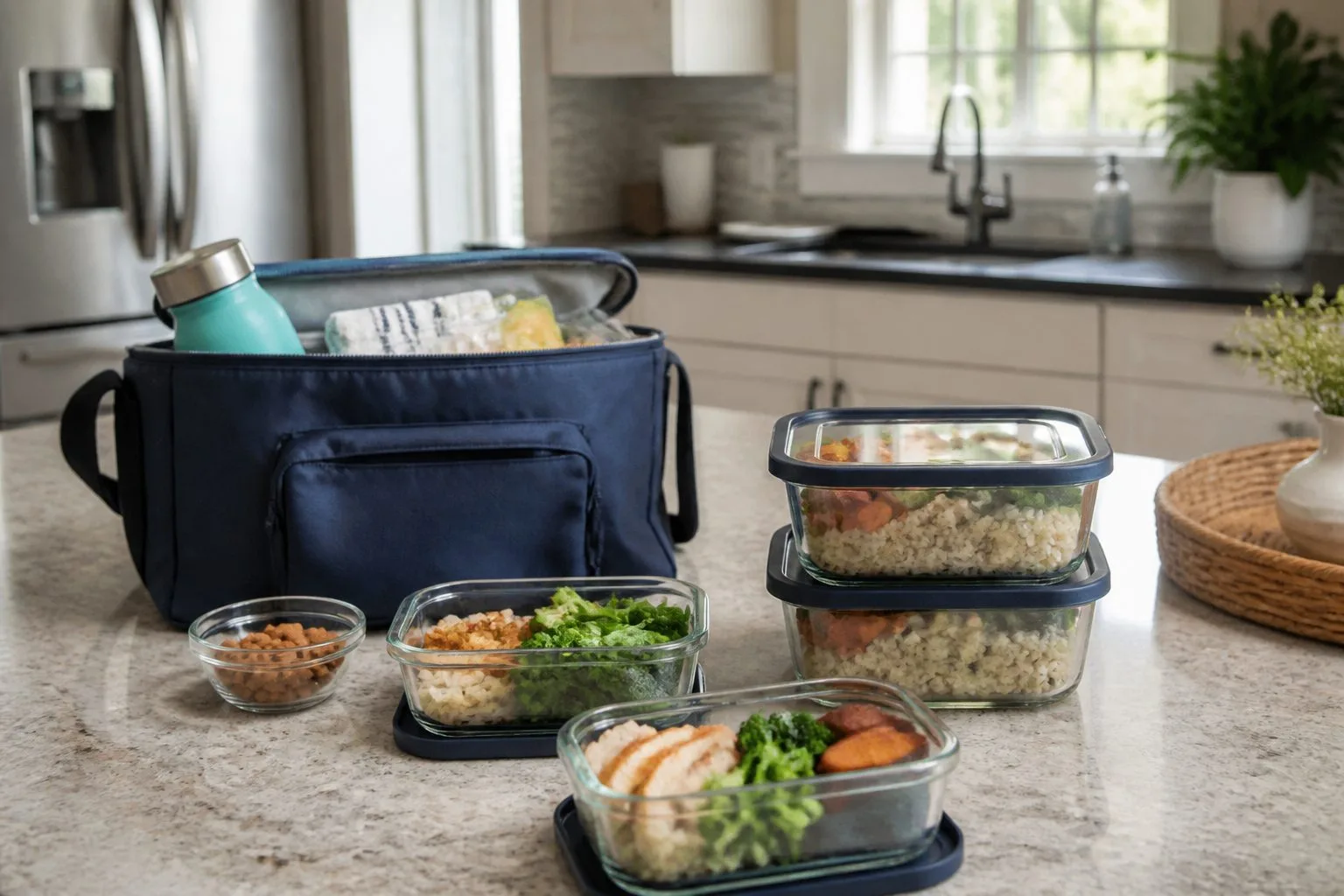

A single protein template can anchor an entire week of lower-carb dinners while keeping every plate on the same table. The approach begins with one shared main that already limits carbohydrates, then layers vegetable sides and small flavor adjustments so younger and older diners receive what they need without a second set of recipes or cooking sessions.
Selecting Protein Anchors That Naturally Reduce Carbs Across the Week
Choosing the right proteins sets the rhythm for the days ahead. Chicken thighs, salmon fillets, ground turkey, pork tenderloin, and lean beef cuts each deliver satisfying portions with minimal inherent carbohydrate. Because these items form the center of the plate, the surrounding vegetables can stay modest in quantity and preparation time rather than having to compensate for a starchy base. Families that rotate among four or five of these proteins in a seven-day stretch find the pattern repeats less often than it might with pasta or rice nights.
The method works best when the protein is purchased or portioned with the full week in mind. Buying a larger tray of chicken thighs on one shopping trip allows two meals to come from the same cut: one night simply roasted with salt and pepper, another night cubed and simmered with tomatoes and olives. The repetition of the protein itself is less noticeable than repetition of an entire dish because the vegetable companions and finishing touches change. A common pitfall is selecting only one or two proteins and then cycling them too quickly; the template loses its unifying effect once the same salmon appears three times in five days.
Tradeoffs appear when convenience items enter the picture. Pre-marinated or breaded proteins often add hidden sugars or starches that undercut the low-carbohydrate goal. Plain cuts require an extra minute of seasoning at home, yet that minute also lets the cook control sodium and avoid ingredients that some children reject. Over time the habit of keeping a short list of plain proteins on hand reduces the need to improvise at the store.
Building Vegetable Preparations Everyone Accepts in the Same Pan
Once the protein is fixed, vegetables must occupy the remaining space without requiring separate cooking lines. Sheet-pan roasting of broccoli, cauliflower, zucchini, and bell peppers works because the same tray can finish alongside the main. A light coating of oil and salt produces a result that most ages accept; stronger seasonings such as garlic powder or smoked paprika can be added to half the pan after the children’s portions are removed. This single adjustment keeps the underlying vegetable identical while allowing flavor intensity to vary.
Steaming or quick sautéing offers another route when oven space is limited. Green beans or asparagus can be divided into two skillets at the last moment, one finished with butter for younger diners and the other with chili flakes for adults. The key is that the base vegetable remains the same, so grocery quantities stay manageable and waste declines. Families that attempt entirely different vegetable dishes for each age group quickly discover the extra pans and cleanup negate any time saved.
The template can falter when vegetable choices become too narrow. A week built only on broccoli and spinach will meet resistance even from adults. Rotating in cabbage slaws, roasted carrots, or sautéed mushrooms keeps the carbohydrate load low while giving the eye and palate new textures. Because these additions still cook on the same schedule as the protein, the overall workflow stays contained.
Where Repetition Creeps In and How to Refresh the Template Midweek
Even well-chosen proteins and vegetables can begin to feel routine by Wednesday or Thursday. The refresh usually comes from small changes rather than new mains. Swapping the acid—lemon one night, vinegar another—alters the finished dish without new shopping. Introducing fresh herbs from the market or freezer, such as dill with salmon or rosemary with pork, provides a noticeable shift while the protein and vegetable framework stays intact.
Another reliable adjustment is the order of components. Serving the protein sliced over the vegetables one evening and keeping it whole the next changes the visual and the eating experience. Portion size can also be recalibrated midweek; an extra serving of roasted cauliflower on a night when appetites run high prevents the need to open a new package of crackers or bread. These tweaks succeed because they operate inside the existing template rather than beside it.
The point where the method breaks is usually when the cook abandons the protein anchor altogether in favor of a quick starch. Once rice or potatoes reappear, the carbohydrate balance shifts and the unified menu dissolves. Keeping a short list of acceptable refresh tactics—citrus, herbs, finishing sauces made from pantry staples—helps maintain the pattern through the middle of the week.
Scaling Flavors and Portions for Mixed Ages Without New Dishes
Portion and flavor scaling happens after the main components are cooked, not during separate preparations. A plain roasted chicken thigh can be cut into smaller pieces and served with a milder vegetable portion for younger children, while the same thigh is left larger and finished with a spoonful of herb butter for adults. Because the base is identical, no additional pan or timing is required.
Flavor scaling follows a similar logic. A bowl of yogurt mixed with cucumber can be left plain for one diner and stirred with a small amount of harissa for another. The same principle applies to cheese or nuts sprinkled at the table rather than cooked into the dish. These last-minute additions respect different tolerances without multiplying recipes or dishes.
The approach reaches its limit when one age group requires an entirely different texture, such as purees for toddlers. In those cases the template still supplies the protein and vegetable base, but a quick blend or mash occurs for the smallest plates while the rest of the family eats the original form. The extra step remains minimal because the ingredients are already prepared and on the counter.
Tools such as myDinnerPlan can help store the rotating protein list and vegetable combinations so the template does not have to be rebuilt each week. Readers ready to put the method into practice can begin with myDinnerPlan.
On food waste: USDA consumer food-waste tips
