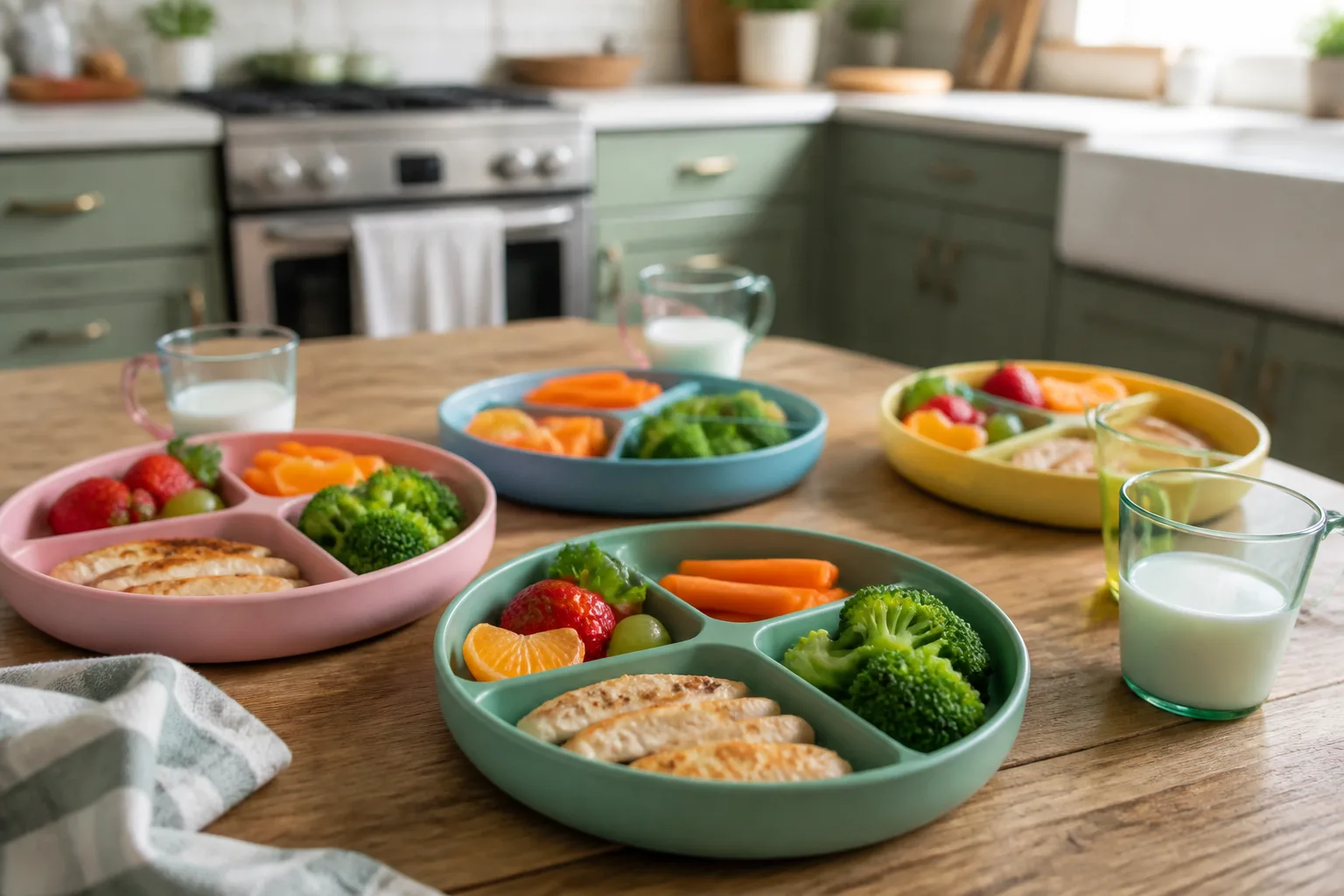

A single pack of ground turkey can anchor several gluten-free dinners when divided early and seasoned in distinct batches that pair with whatever produce is already on hand or easily added at the market. The approach keeps preparation straightforward while allowing each evening’s meal to feel distinct, relying on simple swaps in vegetables, herbs, and gluten-free staples rather than new proteins or complicated sauces.
Selecting and Dividing the Turkey Base
Choosing the turkey begins with checking labels for any added fillers that contain wheat or barley, a common hidden source of gluten in pre-seasoned or enhanced ground meats. A standard 1.5- to 2-pound package works well for three separate uses across four or five days when divided into roughly equal portions of about six to eight ounces each. After dividing, one portion receives a mild Italian-style seasoning blend of dried oregano, basil, garlic powder, and a pinch of red-pepper flakes; another gets a cumin-and-chili blend with a touch of smoked paprika; the third stays plain or receives only salt and pepper so it can absorb whatever flavors come from the produce chosen later.
Portioning at the outset prevents the temptation to season the entire amount the same way, which would limit flexibility. Each batch is then wrapped tightly or placed in small containers and refrigerated if the meals will be prepared within two days, or frozen in a single layer on a sheet pan before being stacked for longer storage. This early division also makes it easier to thaw only what is needed for a given evening, reducing waste and keeping the remaining turkey fresh. Because the seasonings are all dried herbs and spices, they remain gluten-free as long as the spice jars themselves have not been cross-contaminated in a shared kitchen; storing them in clearly labeled containers helps maintain that assurance.
First Use: Simple Skillet with Fresh Vegetables
The first batch, already carrying the Italian-style seasoning, moves straight into a skillet with whatever sturdy vegetables are available. Zucchini and bell peppers sliced into half-moons cook down quickly and release enough moisture to keep the turkey moist without added liquid. A handful of cherry tomatoes halved at the end adds brightness and a light sauce that clings to the meat. If broccoli or cauliflower florets are on hand instead, they can be blanched briefly before joining the pan so they reach tenderness without turning the whole dish watery.
The skillet is finished with a drizzle of olive oil and a squeeze of lemon or a splash of balsamic vinegar to lift the flavors, both of which are naturally gluten-free. Serving it over cooked rice or quinoa keeps the meal filling while staying within gluten-free boundaries; families who prefer lower-carb options can simply increase the vegetable ratio. The entire dish comes together in one pan, which simplifies cleanup and allows the cook to adjust seasoning gradually by tasting as the vegetables soften. If a child in the household prefers milder flavors, a portion can be set aside before the red-pepper flakes are fully incorporated, demonstrating how the same base adapts without extra work.
Second Use: Lettuce Wraps with Leftover Seasoned Meat
The second batch, already carrying the cumin-and-chili notes, lends itself to lettuce wraps that feel lighter yet still substantial. Large romaine or butter-lettuce leaves serve as the wrapper; their natural crispness contrasts with the warm, spiced turkey. Shredded carrot and thinly sliced cucumber add crunch and moisture, while a small amount of mashed avocado or a quick lime-and-cilantro dressing ties the elements together. Because the turkey is already seasoned, only a brief reheating is required, and any extra vegetables can be prepped while the meat warms so the assembly stays quick.
This format works especially well on evenings when schedules are staggered, since each person can build their own wrap at the table. Gluten-free corn tortillas can stand in for lettuce if preferred, provided they are checked for any shared toasting surfaces that might introduce wheat. The same spiced turkey can also be tucked into halved bell peppers and briefly broiled for a more cooked presentation, showing how one seasoned portion supports two different serving styles without additional shopping.
Third Use: Baked Stuffed Squash from Remaining Portions
The final portion of turkey, left mostly unseasoned or only lightly salted, pairs with roasted winter squash for a comforting baked dish. Halved acorn or delicata squash are roasted cut-side down until the flesh softens, then turned upright and filled with the reheated turkey mixed with sautéed onion, spinach or kale, and a handful of cooked wild rice or millet for texture. A light sprinkle of nutritional yeast or a small amount of aged cheddar provides savoriness without relying on wheat-based breadcrumbs.
The squash shells act as both vessel and side dish, so the meal requires little else beyond a simple green salad. If butternut squash is more readily available, it can be cubed and roasted alongside the turkey mixture in a single baking dish, turning the preparation into a casserole-style option. This method uses the remaining turkey efficiently and accommodates whatever greens or grains are already in the pantry, keeping the focus on produce that stores well and needs minimal additional handling.
Shopping List Choices That Support the Full Span
Building the supporting produce list around items that keep for several days or improve with time helps the plan succeed without midweek market runs. Sturdy vegetables such as zucchini, bell peppers, carrots, and winter squash travel well and maintain quality when stored properly; leafy greens like romaine or kale are added closer to the day they will be used. Staples that round out the meals include rice, quinoa, or millet; lemons or limes for brightness; and a few reliable herbs that can be used across batches. Checking spice blends for gluten before purchase prevents last-minute substitutions.
When the same core ingredients appear in multiple meals, small rotations in preparation method—skillet versus wrap versus bake—prevent repetition while still respecting the original division of the turkey. Families who find this rhythm useful may also appreciate tools that track similar ingredient-led plans; myDinnerPlan offers one optional way to apply the advice. For those ready to begin mapping their own weeks, a simple registration with myDinnerPlan provides a starting point without requiring any immediate commitment.
Ready to try this on next week’s dinners?
Open a free account