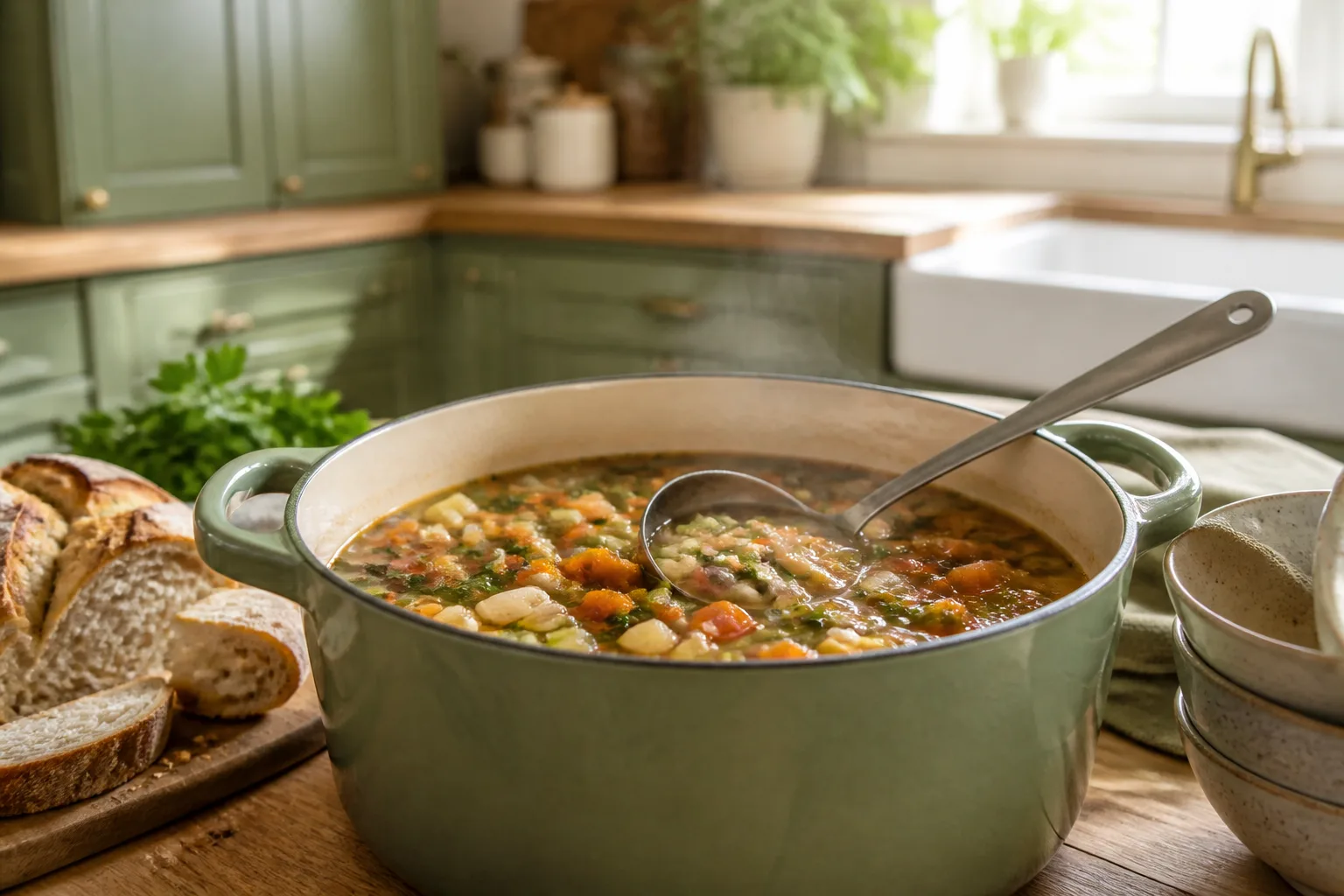

Planning meals around a workday from home often means finding ways to prepare food efficiently while keeping both midday and evening options appealing. One approach involves selecting a handful of versatile ingredients in the morning, cooking them once, and then using them in distinct ways for lunch and dinner. The goal is to create a shared foundation that supports contrast without requiring a second round of chopping or stove time.
How do you choose base items that work for both lunch and dinner?
Base items succeed when they remain neutral enough to accept different treatments yet substantial enough to anchor a plate on their own. Grains such as farro or brown rice fit this description because they hold texture after reheating and pair equally well with bright, cool accents or deeper, warmer ones. Roasted vegetables like carrots, cauliflower, and bell peppers offer sweetness that can be offset by acid at midday and by spice in the evening. A protein such as baked chicken thighs or baked tofu provides structure without locking the meal into one flavor profile; thighs stay moist after a day in the refrigerator, while firm tofu absorbs dressings readily once cut into cubes.
Tradeoffs appear quickly once cooking begins. A single seasoning blend applied to everything collapses the distinction between meals, so it helps to season only half the batch or to hold back salt until portions are divided. Overly delicate greens wilt under reheating, which limits their usefulness as a shared component unless they are added fresh later. Choosing items that store well for eight to ten hours without quality loss reduces waste and keeps the plan reliable. Concrete examples include preparing two cups of dry farro, two sheet pans of mixed vegetables, and one and a half pounds of protein; these quantities typically yield four adult portions split between the two meals while leaving a small buffer for seconds or an unexpected guest.
What portioning steps keep the midday meal separate from the evening one?
Dividing the cooked components immediately after they cool prevents the cook from having to make decisions while hungry or distracted later. After the farro, vegetables, and protein finish, divide each into four equal containers, labeling two for lunch and two for dinner. The lunch containers can be placed toward the front of the refrigerator so they are reached first, while dinner portions sit farther back and remain untouched until evening. If space is tight, stack the lunch containers on one shelf and dinner ones on another, or use different colored lids to create a quick visual cue.
A second layer of separation comes from deciding in advance which elements will be served cold or at room temperature and which will be warmed. Lunch might rely on the farro and vegetables straight from the container with a simple dressing added at the last minute, while dinner portions move to a skillet or oven for five to ten minutes. This distinction matters because reheating everything twice can dry out proteins and soften vegetables beyond recognition. Keeping a small amount of uncooked vegetable or fresh herb set aside for dinner only adds contrast without extra shopping. The entire division process usually takes ten minutes once the food has cooled enough to handle.
Which simple additions turn the same components into two different meals?
Additions work best when they require no cooking and can be kept on a pantry shelf or in the refrigerator door. For lunch, a vinaigrette made from olive oil, lemon juice, and a pinch of mustard turns the farro and vegetables into a composed salad; crumbled feta or a few olives sharpen the flavor further. Dinner might use the same base with a quick yogurt sauce flavored with cumin and smoked paprika, or a spoonful of harissa thinned with olive oil. These sauces take less than five minutes to stir together and can be made in small batches so they do not compete for refrigerator space.
Herbs and crunchy elements also create separation. A handful of chopped parsley and mint brightens the midday meal, while toasted almonds or pumpkin seeds add texture to the evening one. If the protein is chicken, a few slices of avocado or a spoonful of salsa verde can shift the character without heat. The key is to limit additions to three or four total so the original components remain recognizable. Overloading the plate with new ingredients defeats the purpose of cooking once. When the same three additions are rotated across a week, the meals stay varied without requiring new recipes each day.
How do you adjust when a meeting runs long and changes the timing?
Flexibility begins with components that tolerate delayed service. Farro and roasted vegetables hold at room temperature for several hours without safety concerns, and cooked chicken or tofu can remain in sealed containers for the same period. When lunch is delayed, the pre-portioned containers can move to a lunch bag with an ice pack or simply stay in the refrigerator until the meeting ends. Dinner timing is more forgiving because the portions are already measured; if the evening meal must wait, the components can be assembled cold and then warmed in small batches as needed.
One practical buffer is to keep a backup element that requires almost no preparation. A can of chickpeas or a few hard-boiled eggs stored from the weekend can be added to either meal if appetite or timing shifts. Another adjustment is to shorten the cooking step for dinner by using only the microwave or a quick sear rather than a full oven reheat. These small changes preserve the original plan instead of abandoning it when the day deviates from the schedule.
Where does the shopping list come from once the two meals are mapped?
The list emerges directly from the chosen base items and the additions selected for each meal. After deciding on farro, mixed vegetables, and chicken thighs, the cook notes the exact quantities needed for the full batch plus any extras for sauces or toppings. Pantry staples such as oil, vinegar, and spices are checked once a week rather than rewritten daily. Fresh items like herbs or citrus appear on the list only when the chosen additions call for them, keeping purchases targeted.
If the same foundation repeats across several days, the list can be duplicated with minor swaps, such as replacing cauliflower with broccoli or chicken with salmon. This repetition reduces the mental load of deciding what to buy each time. When the components and additions are recorded in one place, the list practically writes itself from the earlier choices rather than requiring a separate brainstorming session. If tracking this way appeals, an optional tool such as myDinnerPlan can keep the components and additions organized across the week. For a simple way to begin, visit the registration page.
Public references: USDA food-waste tips MyPlate
Want the calendar and list in one place?
Start free