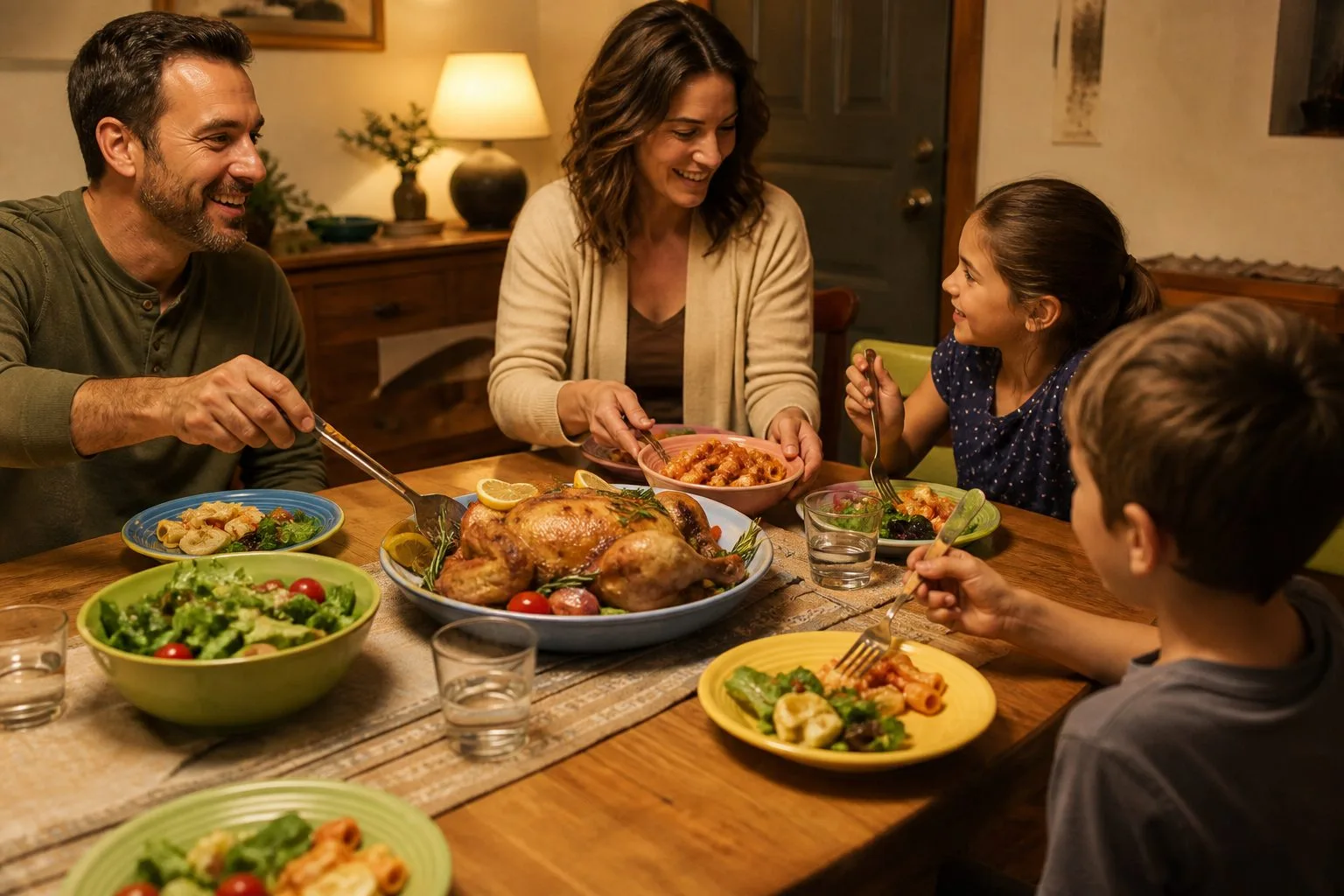

A single ground beef purchase stretches across multiple winter dinners when cooks divide the meat right after purchase and match each portion to different root vegetables and greens. Portion the beef into four or five measured amounts, then store them separately so each one aligns with the produce already on hand.
Dividing Ground Beef Into Bases That Pair With Different Seasonal Roots
Ground beef forms a flexible base because its mild flavor accepts strong winter roots without overpowering them. Divide a three-pound package into four portions of twelve ounces each and one smaller eight-ounce portion. The twelve-ounce amounts suit meals built around dense roots such as turnips or parsnips, while the smaller portion works with lighter greens like kale or Swiss chard.
Freezing three portions immediately preserves freshness for later use, yet leaving two in the refrigerator allows quick cooking within three days. This split creates tradeoffs between convenience and flexibility. A cook who freezes everything must remember to thaw one portion the night before, whereas keeping two portions chilled supports spontaneous meals when unexpected produce appears at the market.
Carrots and celery root combine well with one twelve-ounce portion because their sweetness balances the beef’s savoriness. Beets and red onions suit another portion, since the earthiness of beets stands up to browning. The eight-ounce portion pairs best with shredded cabbage or Brussels sprouts, which cook quickly and absorb pan drippings without becoming heavy. Each combination uses the same protein yet produces distinct flavor profiles across the week.
Matching Produce Purchases to Protein Portions for the Full Week
Winter produce markets offer root vegetables in steady supply, so a single shopping trip can cover the entire plan. Select two pounds of carrots, one celery root, three beets, one small head of cabbage, and a bunch of kale. These quantities align with the beef portions already measured. The carrots and celery root use the first twelve-ounce portion, the beets and onions use the second, and the cabbage and kale finish with the eight-ounce portion.
Bulk buying reduces repeated store visits, yet it requires accurate portioning so nothing spoils. Carrots and beets store for more than a week in a cool drawer, while cabbage holds for several days once cut. Kale wilts faster, so plan its meal earlier in the sequence. A cook who buys too much delicate greens risks waste, while underbuying forces an extra trip or substitution that changes the intended flavor balance.
Each root vegetable brings its own cooking requirement. Carrots need longer roasting to develop sweetness, whereas cabbage benefits from quick sautéing to retain crunch. Matching these needs to the beef portions prevents last-minute adjustments and keeps waste low.
Rotating Cooking Techniques Around the Core Ingredient and Fresh Vegetables
Different techniques prevent the repetition that often occurs when one protein anchors several meals. Brown one twelve-ounce portion in a wide skillet, then add diced carrots and celery root for a slow simmer that turns the roots tender without turning to mush. Roast the beet portion on a sheet pan alongside the beef so the vegetables caramelize at the edges while the meat renders fat into the pan.
Sauté the final eight-ounce portion quickly over high heat, then fold in shredded cabbage and kale at the end so the greens stay bright. These methods differ in time and equipment. The simmer requires a covered pan and thirty minutes of unattended cooking, the roast needs oven space and preheating, and the sauté finishes in one pan within fifteen minutes. A household with limited oven access may favor the skillet methods, while a cook who values hands-off time prefers the sheet-pan approach.
Seasoning also shifts with each technique. The simmer accepts dried thyme and a splash of vinegar to brighten the sweet roots. The roast benefits from rosemary and a finish of mustard. The sauté takes well to garlic and a pinch of chili flakes. These small changes keep each dinner distinct even though the beef remains the constant element.
Using Remaining Components in Later Meals Without Repetition
Leftover roots and greens from earlier meals can reappear without tasting like repeats when they move into supporting roles. Roasted beets from the second dinner can be sliced thin and added to a grain bowl alongside the final beef portion, turning the beets into a salad component rather than a side. Carrot ends from the simmer can be chopped and folded into a soup stock that stretches the last small beef portion into a lighter broth-based meal.
Cabbage cores and kale stems hold up to longer cooking, so they can be added to the same stock pot instead of being discarded. This reuse reduces waste but demands planning so the flavors do not overlap too closely with the original dinners. A cook who repeats the same seasoning profile across all meals loses variety, while varying the acid or herb in each reuse keeps the ingredients feeling fresh.
The same principles of portioning and matching apply when the plan changes midweek. If a new vegetable appears, the remaining beef portions can be adjusted in size or technique without starting over. Readers who want to record these divisions and generate shopping lists from them can explore the shared recipe library at myDinnerPlan and register here to begin.
Once registered, the platform lets cooks log each beef portion size alongside the intended roots and greens, automatically generating a weekly shopping list that factors in storage timelines and technique rotations. This digital tracking prevents the common pitfall of overbuying delicate items like kale while ensuring the denser roots remain available when later portions thaw. Users can also adjust for household size by scaling the original three-pound purchase upward, with the system suggesting proportional increases in vegetables to maintain flavor balance across all meals.
Extending the Model to Include Grains and Legumes for Heartier Variations
Adding a base of barley or lentils stretches each beef portion further without requiring additional meat. After the initial simmer with carrots and celery root finishes, stirring in a cup of cooked barley absorbs the pan juices and creates a one-bowl dinner that reheats well for lunches. The beet and red onion roast pairs naturally with Puy lentils simmered in the rendered beef fat, producing an earthy dish that feels substantial yet remains distinct from the first meal. For the cabbage and kale sauté, a handful of quick-cooking farro tossed in at the end adds chew without lengthening the fifteen-minute cooking window.
These grain additions introduce new variables in timing and texture. Barley requires pre-soaking for even cooking during the simmer, while farro can be added dry near the end of the sauté. Lentils, however, demand separate preparation to avoid turning mushy when combined with already tender roots. Cooks who experiment with these pairings discover that the beef’s rendered fat serves as a flavor bridge, carrying seasonings from one component to the next. Over the course of a week the same three-pound purchase thus supports not only three distinct dinners but also two or three follow-up lunches, reducing both food waste and daily decision fatigue.
Addressing Dietary Adjustments and Seasonal Substitutions Mid-Plan
Winter markets sometimes substitute available roots when weather disrupts supply chains. If parsnips replace carrots, the same twelve-ounce beef portion accepts them without altering the simmer technique, though a touch more vinegar counters their milder sweetness. Similarly, when Brussels sprouts stand in for cabbage, the high-heat sauté still works, but the smaller eight-ounce portion must be monitored closely to prevent over-browning. The planning tool at myDinnerPlan flags these swaps automatically once users select substitute produce, recalculating cooking times and suggesting compatible herbs.
Households managing dietary restrictions can adapt the framework equally well. Reducing salt across all techniques highlights the natural sweetness of roasted beets, while omitting cheese toppings keeps the grain-bowl variation suitable for lactose-intolerant diners. Vegetarians sometimes reserve one beef portion for a mixed household, substituting mushrooms browned in the same skillet to capture comparable umami. These modifications preserve the core principle of portioning protein once and matching it to multiple vegetables, yet they accommodate real-life variability without discarding the original plan.
Evaluating Long-Term Benefits of Centralized Protein Planning
Over several weeks the habit of dividing ground beef at purchase builds efficiency in both time and cost. Bulk buying often lowers the per-pound price, and the predictable rotation of techniques reduces the mental load of inventing new dinners nightly. Waste metrics improve because every purchased vegetable finds a designated role, and the digital library encourages community sharing of successful substitutions discovered by other users. Cooks who track their results for a month frequently report that the system frees mental energy for other tasks while still delivering varied, vegetable-forward meals anchored by a single protein purchase.
The approach scales beyond winter roots as well. When spring arrives the same division method applies to asparagus and peas, with adjusted techniques that favor quicker blanching over long roasting. By treating the initial beef split as a reusable template rather than a one-time event, households maintain flexibility across seasons without reinventing their shopping and storage routines. This ongoing application turns a simple three-pound package into a reliable foundation for dozens of dinners throughout the year.
On balanced plates: USDA MyPlate
