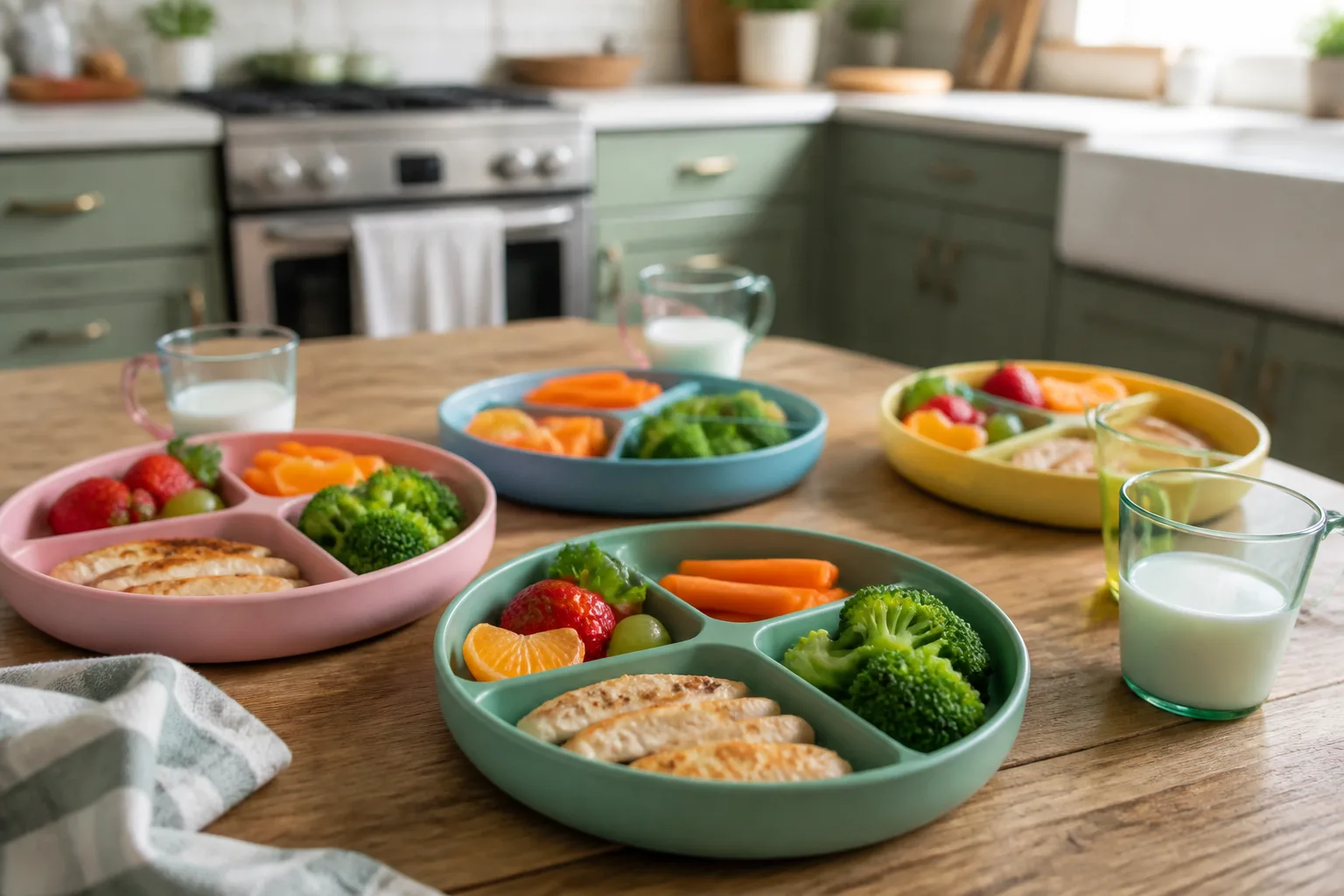

Families often assume dessert nights will inflate grocery costs and scramble existing meal slots. Practical adjustments rely on pantry staples and selective calendar swaps that preserve the week without added purchases or rushed evenings.
Dessert Nights Always Demand New Specialty Purchases
Home cooks frequently picture dessert nights as requiring chocolate chips, heavy cream, or imported extracts that sit unused after one use. Those assumptions overlook the range of simple sweets already possible with flour, sugar, eggs, butter, and cocoa powder that most households keep on hand. A basic brownie batter or a skillet cookie uses exactly those items and finishes in the same oven cycle as a main dish.
The tradeoff appears when families decide against specialty toppings or fillings. Instead of buying fresh berries out of season, they can fold frozen fruit from the freezer into a cobbler base or dust a cake with confectioners sugar already in the pantry. This choice keeps the total spend flat while still delivering a distinct course after dinner.
Another adjustment involves scaling existing recipes rather than seeking new ones. A household that bakes sandwich bread on weekends can reserve a portion of the dough for cinnamon rolls the following night. The same yeast, flour, and cinnamon already purchased for breakfast items serve double duty. Over time this approach reduces the impulse to add new line items to the shopping list.
Some weeks the practical move is to designate one dessert that travels across multiple nights. A large batch of rice pudding or a sheet pan of blondies portions easily into lunches and after-school snacks. The single preparation replaces the need for separate evening projects and avoids duplicate purchases of milk or oats.
Adding a Sweet Course Forces Complete Calendar Overhauls
Planners sometimes treat dessert as an extra event that must occupy its own slot, pushing other meals aside. In reality, most calendars absorb one additional course by shifting an existing lighter meal rather than rebuilding the entire week. A soup-and-salad night can move to lunch, freeing the evening slot without losing any planned protein or vegetable.
The key tradeoff lies in identifying low-prep mains that pair naturally with a make-ahead dessert. Grilled chicken and steamed vegetables require little active time once the dessert is assembled earlier in the day. Families therefore maintain their protein rotation while inserting the sweet course on the same evening.
Another workable pattern reuses a planned baking session. If bread or rolls already appear on the calendar, the same oven time can accommodate a fruit crisp or a batch of muffins that double as dessert. The calendar stays intact because the heat source and the cleanup cycle serve two purposes.
When an unexpected conflict arises, selective swapping prevents full rescheduling. A family facing an early soccer practice might move taco night forward one day and place the dessert on the vacated slot. The overall rhythm of proteins and sides remains recognizable, and no new shopping trip becomes necessary.
Dessert Planning Means Extra Evening Prep Time
Evening hours already carry the load of cooking the main meal, so adding dessert prep can feel like an unavoidable extension. The practical correction begins with choosing recipes that finish during the main meal’s downtime. A custard that bakes while the roast rests uses the same oven and requires no separate monitoring once it enters the pan.
Advance assembly on a weekend morning further reduces weekday load. A no-bake cheesecake or a trifle layered in individual glasses stores well for several days. The only evening step becomes plating, which takes less time than washing a second set of mixing bowls.
Some households assign the dessert task to a different family member on rotation. One person handles the main protein while another measures and mixes the sweet course at the same counter. Division keeps total elapsed time close to the original dinner window rather than extending it.
When the calendar shows consecutive busy nights, the tradeoff is to select a dessert that requires zero heat. A simple pudding thickened on the stovetop while the main dish simmers needs only occasional stirring. Cleanup stays minimal because the same pot can serve both courses in sequence.
myDinnerPlan lets users import pantry-based recipes from the public library and test these slot adjustments inside a shared calendar. Readers ready to apply the same structure can begin at /register.
Families Overlook How Dessert Nights Build Long-Term Kitchen Skills
Beyond immediate scheduling and cost questions, many households assume dessert nights add only momentary enjoyment without lasting benefits. In practice the repeated practice of simple recipes builds confidence in young cooks who gradually take ownership of measuring, timing, and flavor adjustments. Children who stir pudding or roll out dough on Tuesday evenings often handle weekday breakfast items with less supervision by the end of the month, trimming overall family labor rather than increasing it.
The same pattern appears when parents track waste. A household that once discarded leftover egg whites after making pasta can fold them into a simple meringue that accompanies the next dessert night. Over several weeks this habit converts what felt like surplus ingredients into usable volume, lowering the effective cost per serving below the original dinner-only baseline.
Seasonal Produce Creates Unnecessary Timing Pressure
Another frequent assumption holds that dessert nights must align with peak produce seasons to taste worthwhile. Families therefore postpone the practice until strawberries arrive or apples are cheap, which fragments the calendar and reduces consistency. The practical alternative relies on pantry and freezer items that do not depend on weekly market swings. A chocolate pudding thickened with cocoa and cornstarch needs only milk and sugar already on the shelf, while a brown-sugar apple crisp can use the same fruit kept for lunch boxes.
This approach removes the need to monitor sales flyers for specialty ingredients. Instead the household maintains a short list of versatile staples that support both savory and sweet dishes across months. The calendar benefit is immediate: dessert slots can be inserted on any evening without waiting for external supply conditions.
Shared Cleanup Routines Prevent Double the Dishes
Many planners picture dessert as a second wave of bowls, beaters, and baking sheets that doubles the evening load. The corrective step is to align the dessert with the main meal’s equipment cycle. A sheet-pan dinner that finishes roasting vegetables can share the same pan for a quick fruit crumble if the savory items are removed first. One rinse of the sheet pan serves both courses, and the oven stays at temperature without an extra preheat.
When dishes cannot overlap, the rotation of tasks among family members keeps total sink time stable. One person washes while another portions the finished dessert, so the kitchen returns to baseline within the original window. Families that adopt this division report that the perceived extra effort shrinks once the routine is established.
myDinnerPlan supports these patterns by letting users tag recipes according to equipment overlap and skill level, then surface only those combinations that fit the household’s existing rhythm. Readers ready to apply the same structure can begin at /register.
On balanced plates: USDA MyPlate
Ready to try this on next week’s dinners?
Open a free account