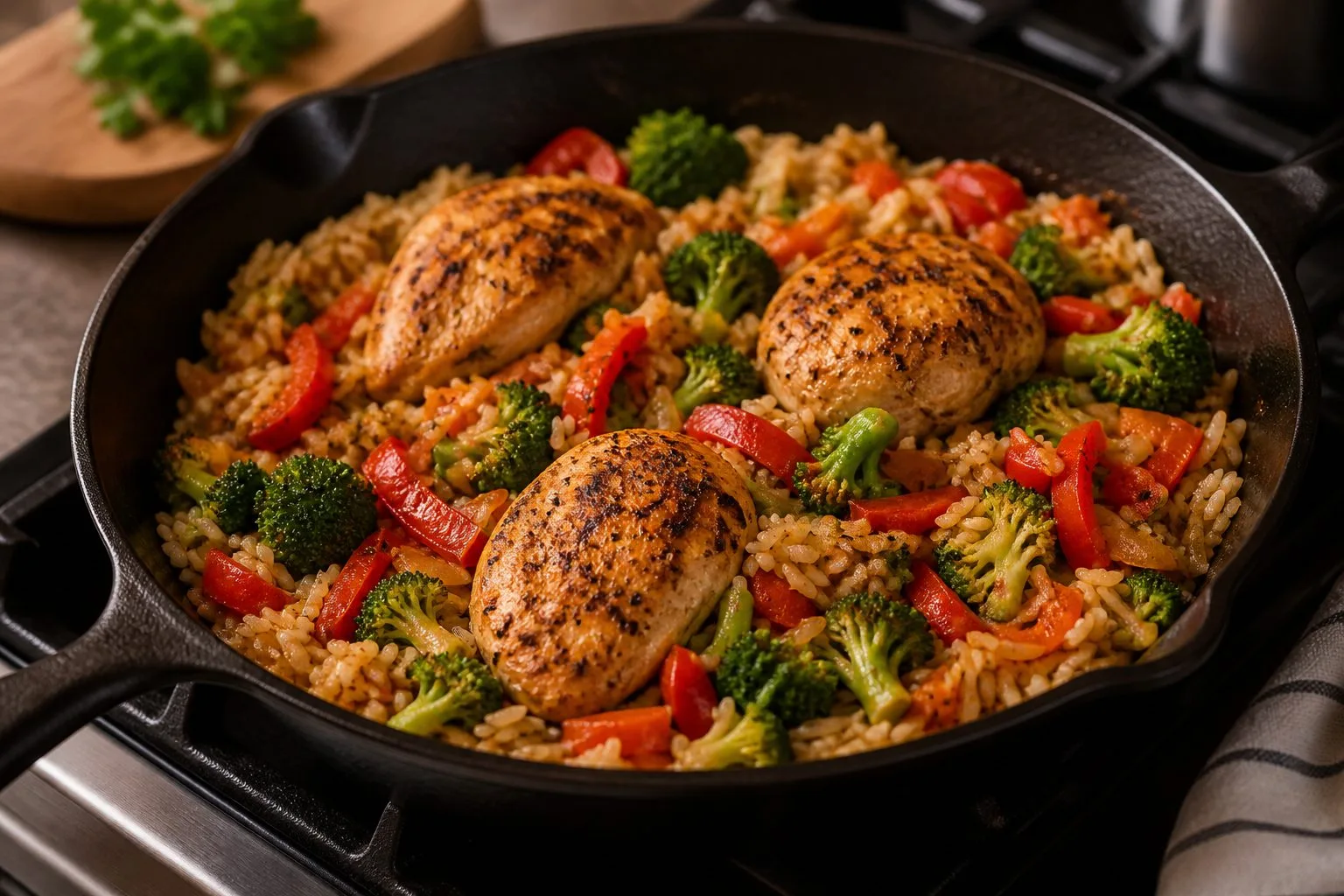

Prepping one substantial batch of broccoli early in the week supplies the foundation for four separate kid-friendly dinners that emphasize vegetables without requiring repeated chopping sessions. Families calculate quantities from their typical meal sizes, divide the produce immediately, and follow a storage sequence that preserves texture and flavor through the week.
Choosing Broccoli Quantity and Storage for the Full Week
Large heads of broccoli deliver better value and control than smaller crowns when the goal spans multiple meals. A household of four typically starts with four to five pounds of whole heads to yield enough florets and stems for roasting, slicing, and pureeing without running short midweek.
Whole heads allow cooks to separate florets from stems at the outset, which reduces waste and creates distinct textures for different dishes. Pre-cut bags often include more stem pieces already trimmed, yet those pieces can turn woody faster once exposed to air.
Refrigerator storage begins with a quick rinse under cold water followed by thorough drying on a towel. Florets packed loosely in breathable produce bags maintain crispness for five to six days, while stems wrapped in a damp cloth inside a sealed container stay usable for the full week. Blanching for two minutes before freezing works when extra heads appear on sale, though the extra step adds time and can soften the vegetable for later roasting applications.
Tradeoffs appear when space or time limits options. Families with limited crisper drawers sometimes divide the batch into two purchases spaced three days apart, which keeps everything fresher but requires an additional shopping trip. Overbuying risks yellowing edges that children notice and reject, so measuring against actual past consumption prevents both shortage and spoilage.
First Dinner: Roasted Florets With Familiar Dips
Roasted florets form the simplest entry point because high heat concentrates flavor and creates edges that appeal to young eaters. A sheet pan holds two pounds of florets tossed with oil and a light sprinkle of salt, then roasted at 425 degrees for twenty minutes until the tips brown.
Children who hesitate at plain vegetables often accept the same florets when served beside ranch or hummus already familiar from lunchboxes. The dip stays on the side so each person controls the amount, which avoids turning the broccoli soggy during serving.
Leftovers cool on the pan before transfer to a container for the next day’s use. Reheating in a toaster oven restores some crispness that microwave warming erases. Parents sometimes reserve a small portion of the roasted batch to chop finer and fold into scrambled eggs the following morning, stretching the vegetable further without a new prep session.
Second Dinner: Broccoli Stems in Pasta Night
Stems sliced thin replace part of the pasta portion and add bulk without altering the overall meal shape. After the first dinner, remaining stems are peeled lightly to remove the toughest outer layer, then cut into matchsticks that cook in the same time as the pasta water boils.
A simple garlic and olive oil sauce coats both the pasta and stems evenly, while grated Parmesan provides the familiar salty note many children expect. The stems absorb the sauce flavors quickly because their cut surfaces are porous, yet they retain enough structure to feel like a separate element rather than mush.
Tradeoffs surface when stems vary in thickness. Thicker pieces from the base of the head benefit from a brief microwave steam before joining the skillet, which prevents undercooked bites that stand out against tender pasta. Families who prefer smoother textures sometimes pulse the cooked stems in a food processor for a few seconds to create a sauce-like addition that disappears visually while still contributing volume.
Third Dinner: Quick Broccoli Addition to Quesadillas
Finely chopped roasted florets from the initial batch fold directly into quesadillas without additional cooking time. The florets are minced to roughly pea size so they distribute evenly between tortillas and do not create large pockets that cool faster than the cheese.
A standard cheese quesadilla base already contains melted cheddar or mozzarella, so the broccoli addition requires only a light press with a spatula to keep everything contained. Salsa or mild taco seasoning on the side maintains the Mexican flavor profile while the vegetable increases the serving size.
Parents report that the roasted flavor of the florets blends with the toasted tortilla without tasting like an obvious vegetable upgrade. Any remaining florets after this meal move to the freezer in a single layer on a tray before bagging, which keeps them loose for future soup use rather than forming a solid block.
Final Dinner: Leftover Stems in Soup Bowls
Stems that survive the earlier meals become the main vegetable in a simple broth-based soup. The stems are diced small and simmered with onion, carrot, and potato for twenty-five minutes until all components soften enough for blending or mashing.
A handheld blender creates a uniform texture that hides the broccoli while preserving its color and mild sweetness. Chicken or vegetable stock forms the liquid base, and a splash of milk added at the end rounds out the flavor for children who prefer creamier soups.
Croutons or shredded cheese on top provide a familiar topping that encourages tasting. The soup reheats well for lunch the next day, and any extra portions freeze in individual containers for weeks when fresh produce runs low. This final use exhausts the original batch completely, confirming that the initial quantity choice aligned with actual family appetite across the four dinners.
Families who want to repeat the sequence can adjust head size upward or downward after the first cycle based on how much actually remained. Tracking the batch sizes and resulting meal yields in myDinnerPlan lets users adjust future shopping lists automatically.
If you would rather keep the calendar and shopping list together, try myDinnerPlan free.
On food waste: USDA consumer food-waste tips
